


Blog
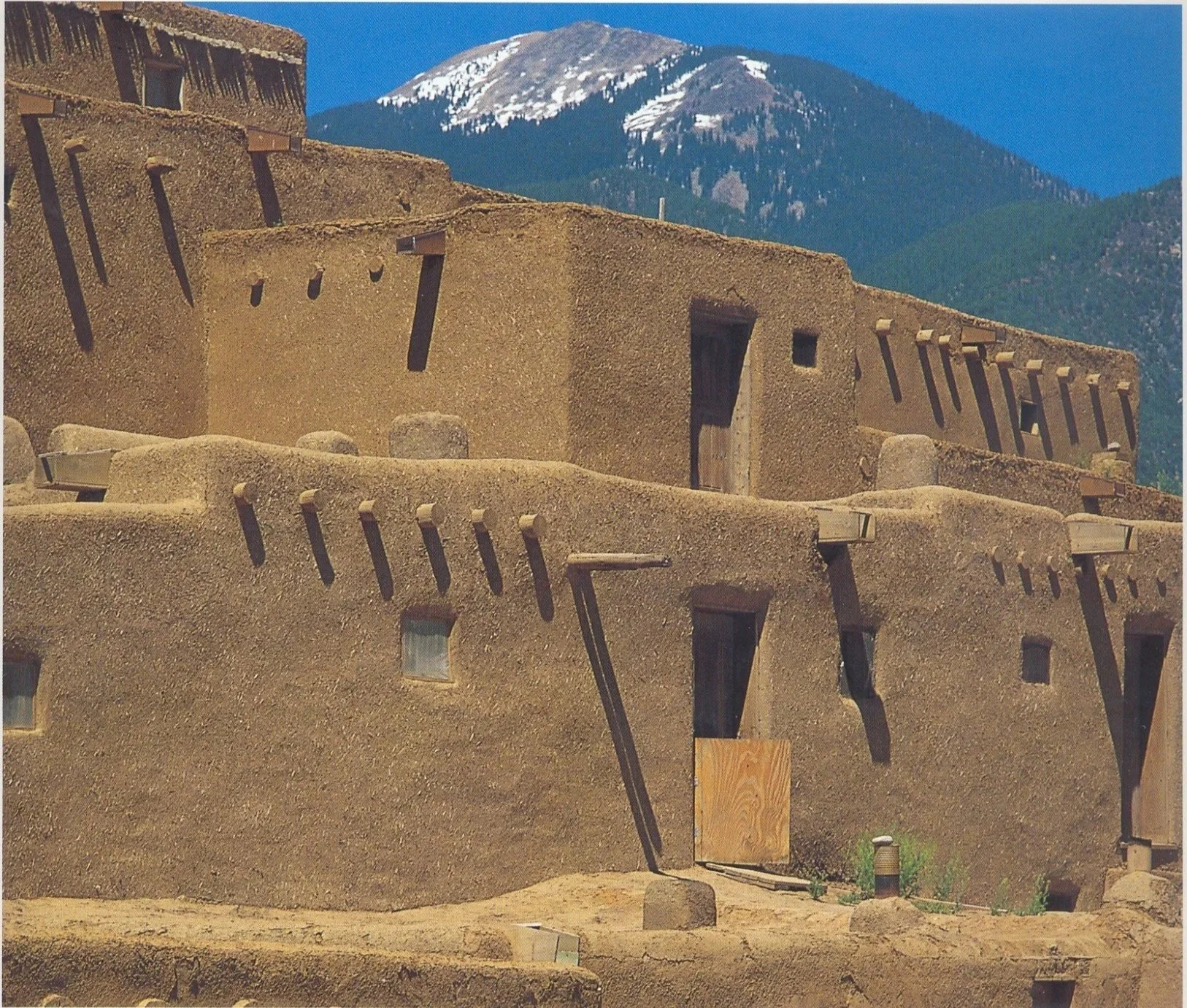
Earth As A Contemporary Building Material
Adobe’s roots can be traced back to north and west Africa. The Moorish Islamic empire spread up to Spain, which then moved over the Atlantic.
The word Adobe is Spanish and means “sun dried earth brick”, it is also known as clay lump, cobb bricks, mud bricks or mud blocks .
Cockington Court Site Report
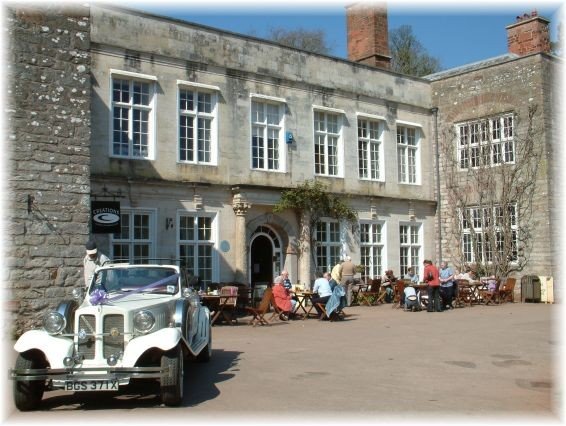
In this report I will outline and explain the main features of Cockington Court, The Old School House, The Orchard View House, The Forge, and the Drum Inn. Also some other features and buildings will be mentioned.
The main court building is quite a grand building and would have been expensive for its owner. The lord of the manor would have lived here, and he would have been fairly well off.
It has been there since the Saxon times. It is thought to have been owned by ‘Alric the Saxon’; it appears regularly in the Doomsday Book and was owned by the ‘de Cockington’ Family from 1180 until 1349 – when they failed to produce a male heir. After a few years of confusion the Courthouse was sold to Sir William Cary. His family held it for almost 300 years. After this time they sold it to Roger Mallrock – a rich Exeter Goldsmith. His family owned it until 1932.

Architectural Energetics
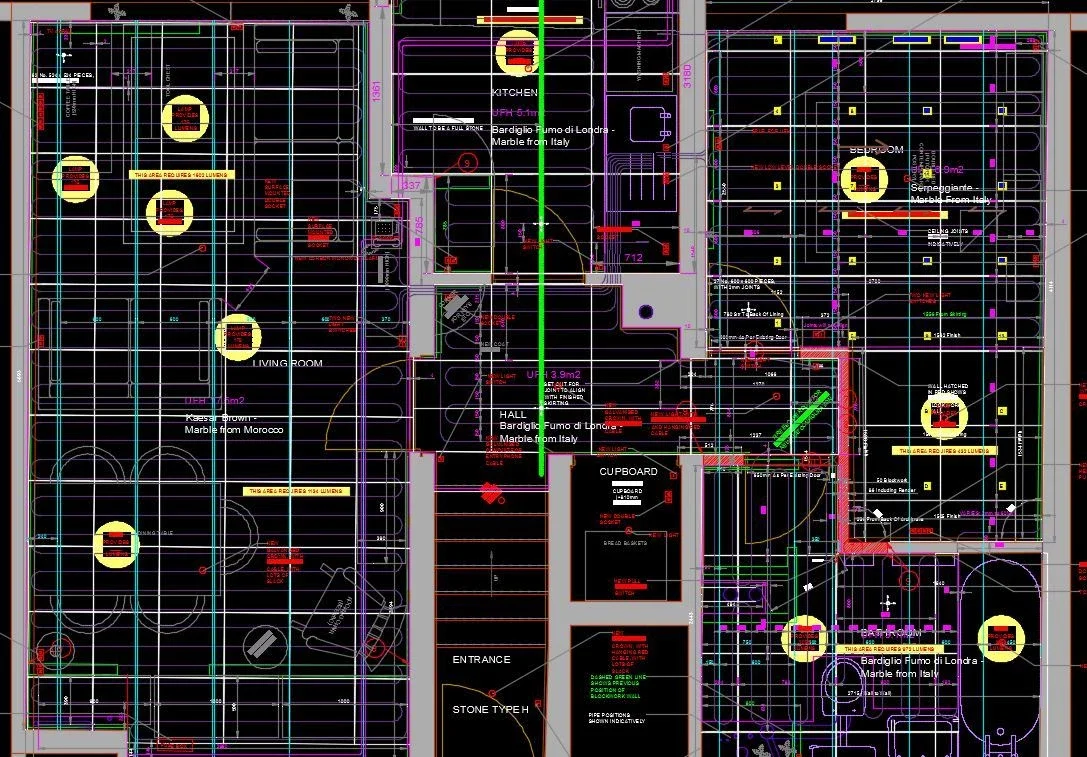
Ever wondered what actually makes a room feel comfortable, or why sound carries through some walls and not others? Our latest blog post digs into the building science behind it: eight weeks of hands-on measurement covering thermal comfort, acoustics, daylighting and energy performance.
It covers things like how temperature, humidity and airflow combine to make a space feel "just right," why noise travels the way it does through doors and walls, how natural light falls across a room depending on window position and orientation, and how the sun's path through the seasons should shape where you put your windows, shading and layout.
It's a deep dive into the fundamentals that sit behind good building design — the kind of grounding that still informs how we think about renovating and improving older properties today. Have a read on our Academic Research blog!