

How a Handyman Can Help You Make a House a Home
Your Practical Guide To Renovating Or Altering Your House (and Getting It Right) To Make It Your Home
Renovating your home can completely transform how you live - whether it’s opening up tired living spaces, upgrading the kitchen, adding insulation or finally getting that built-in storage you’ve always wanted. But many homeowners underestimate how complex a renovation can be. The difference between a smooth project and a “pigs ear” (more of that later) is good planning, written quotes, and the right tradespeople on site.
Here’s a straightforward, step-by-step breakdown of what you need to know before you start - especially if you want excellent results in Dorset areas like Dorchester, Poundbury and Weymouth.
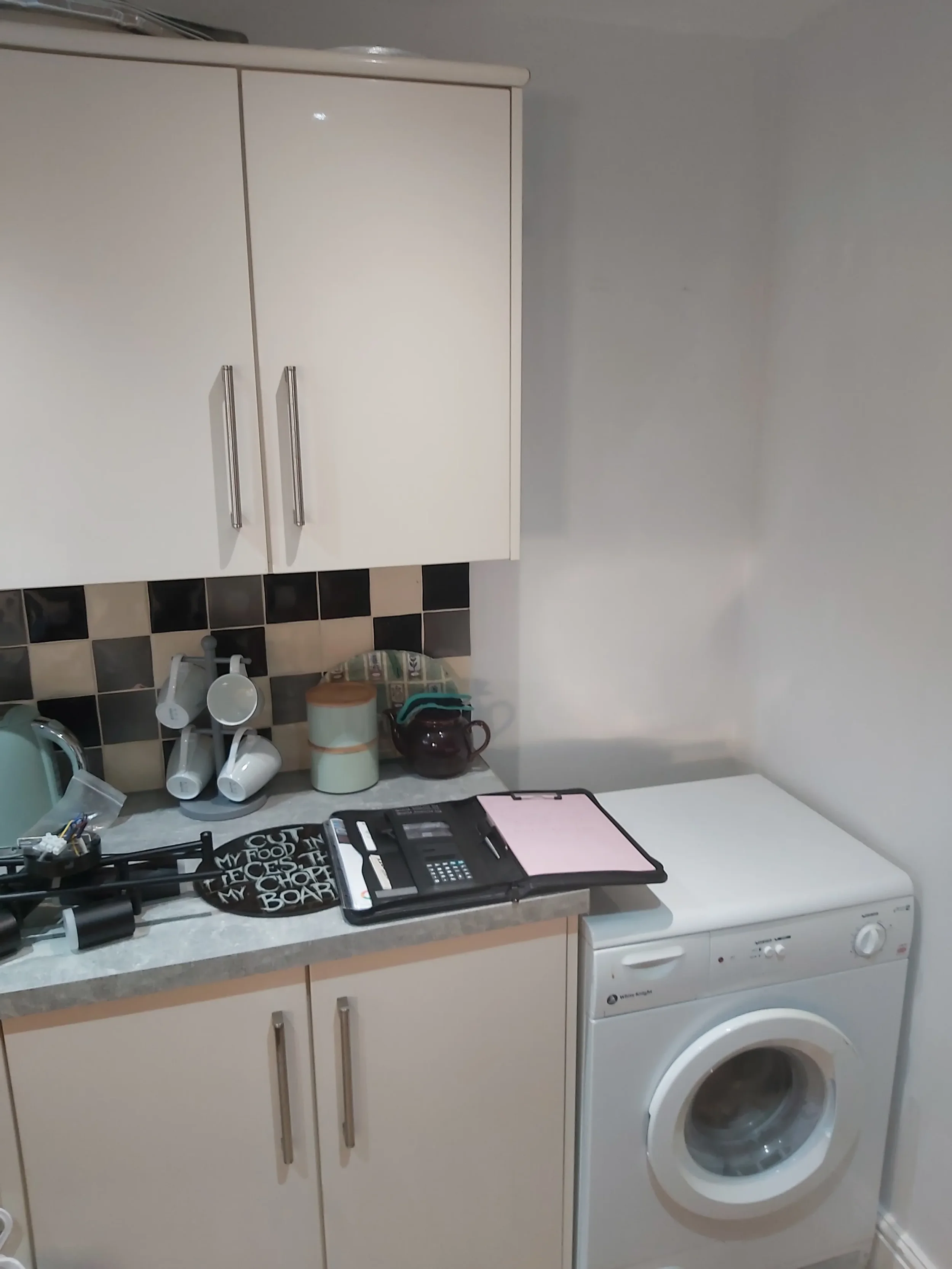
1. Decide What You Actually Need
Before any work starts, take time to list what you want your house to do for you that it doesn’t currently. This isn’t about Pinterest wish lists — it’s about real, practical improvements and how your home can change your life. For example:
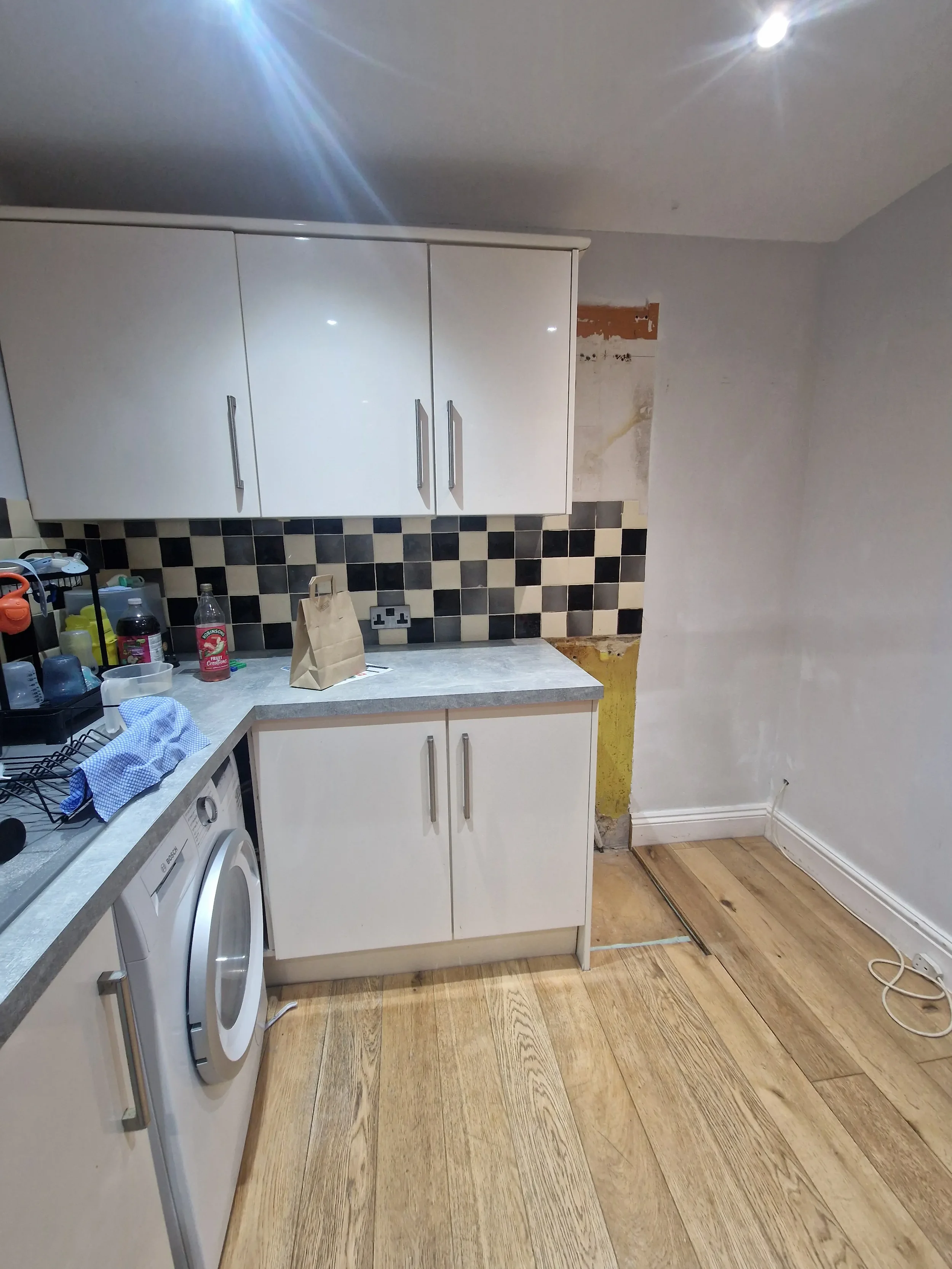
Do you need kitchen alterations to improve flow and storage or to fit a bigger fridge?
Is your layout cramped and crying out for open plan space?
Was your home "altered" by the previous owners - and it just doesn't "work" for you?
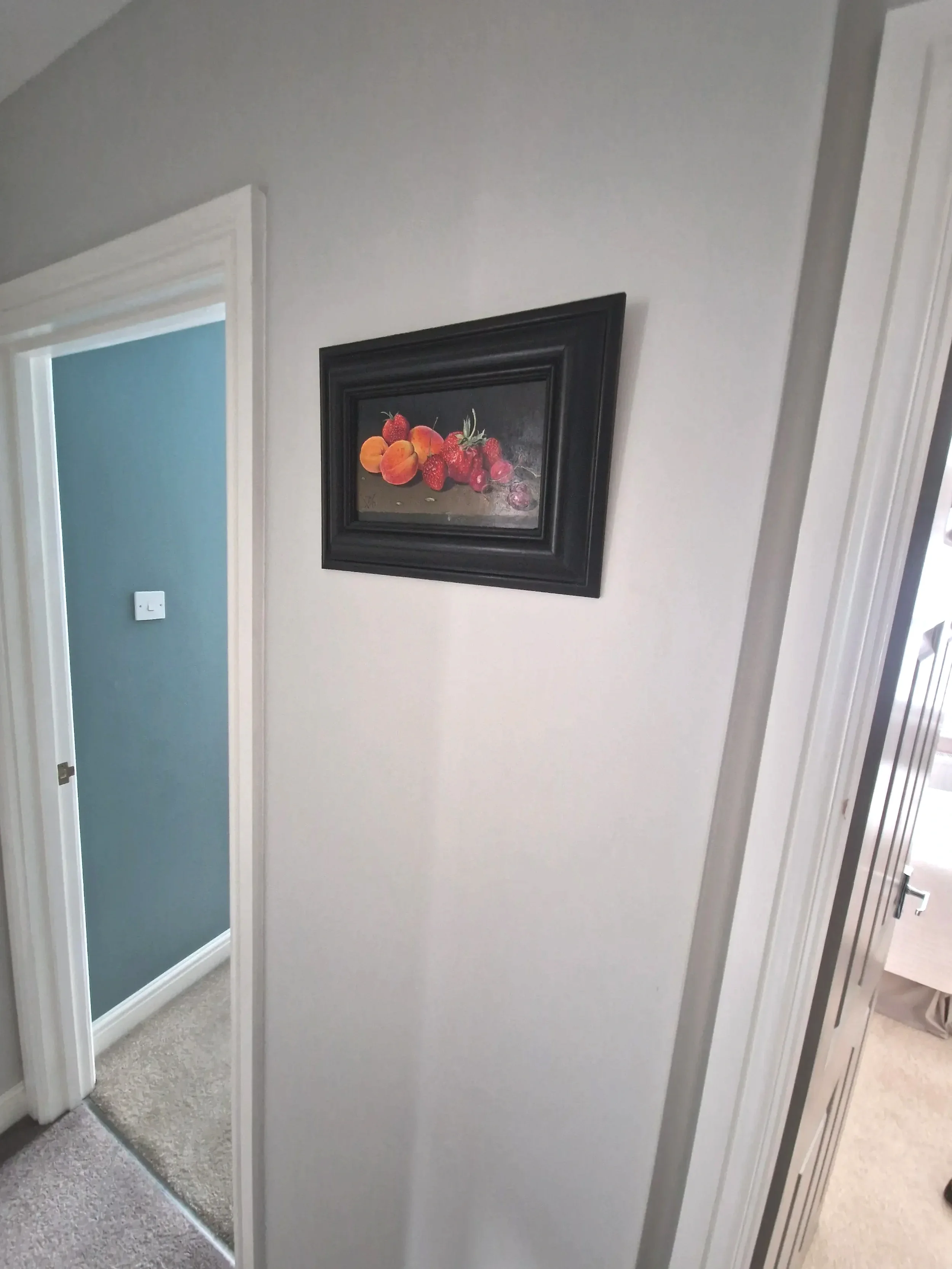
Are practical jobs like picture hanging, fitting a handrail or even a heavy mirror proving tricky?
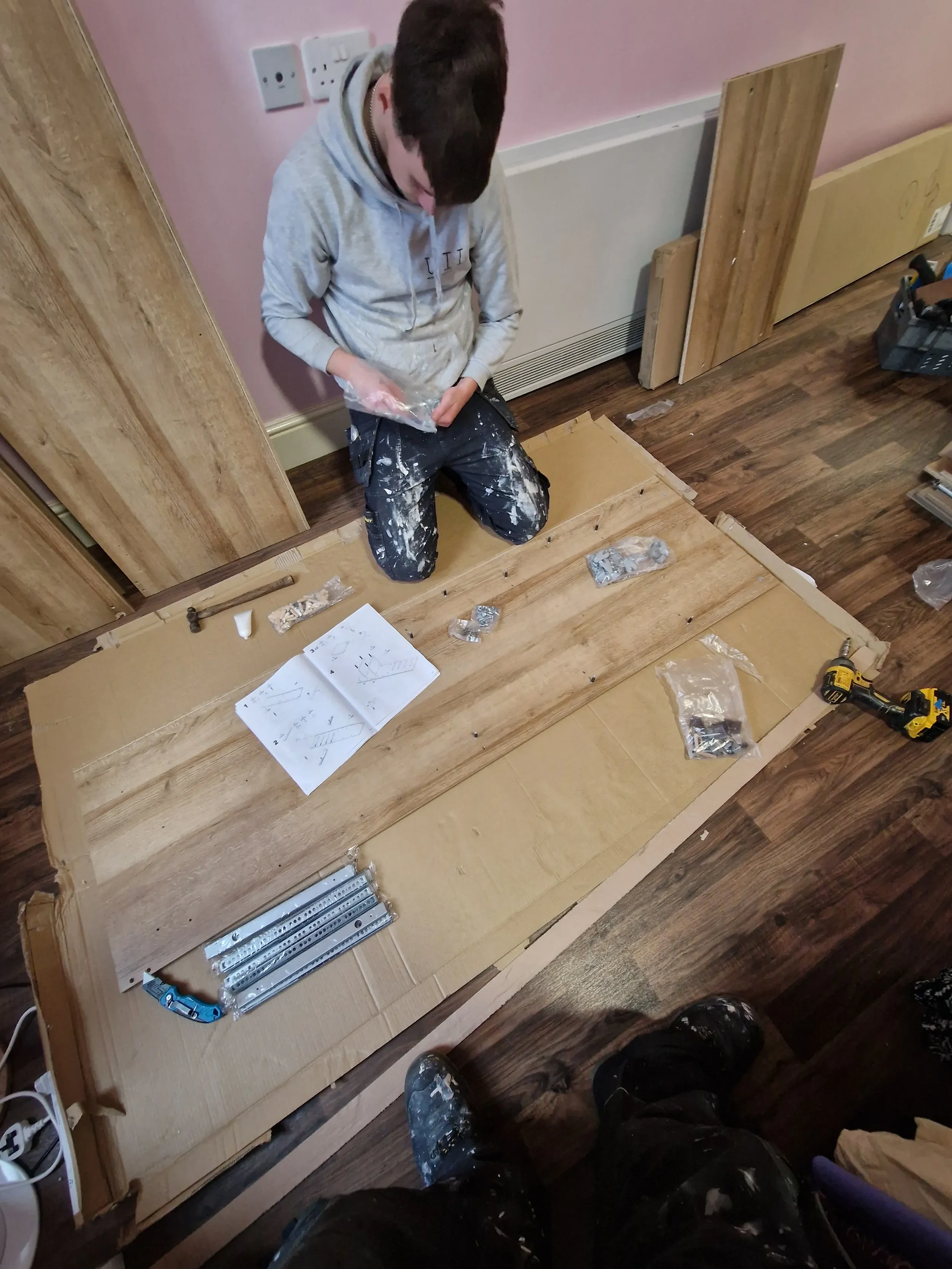
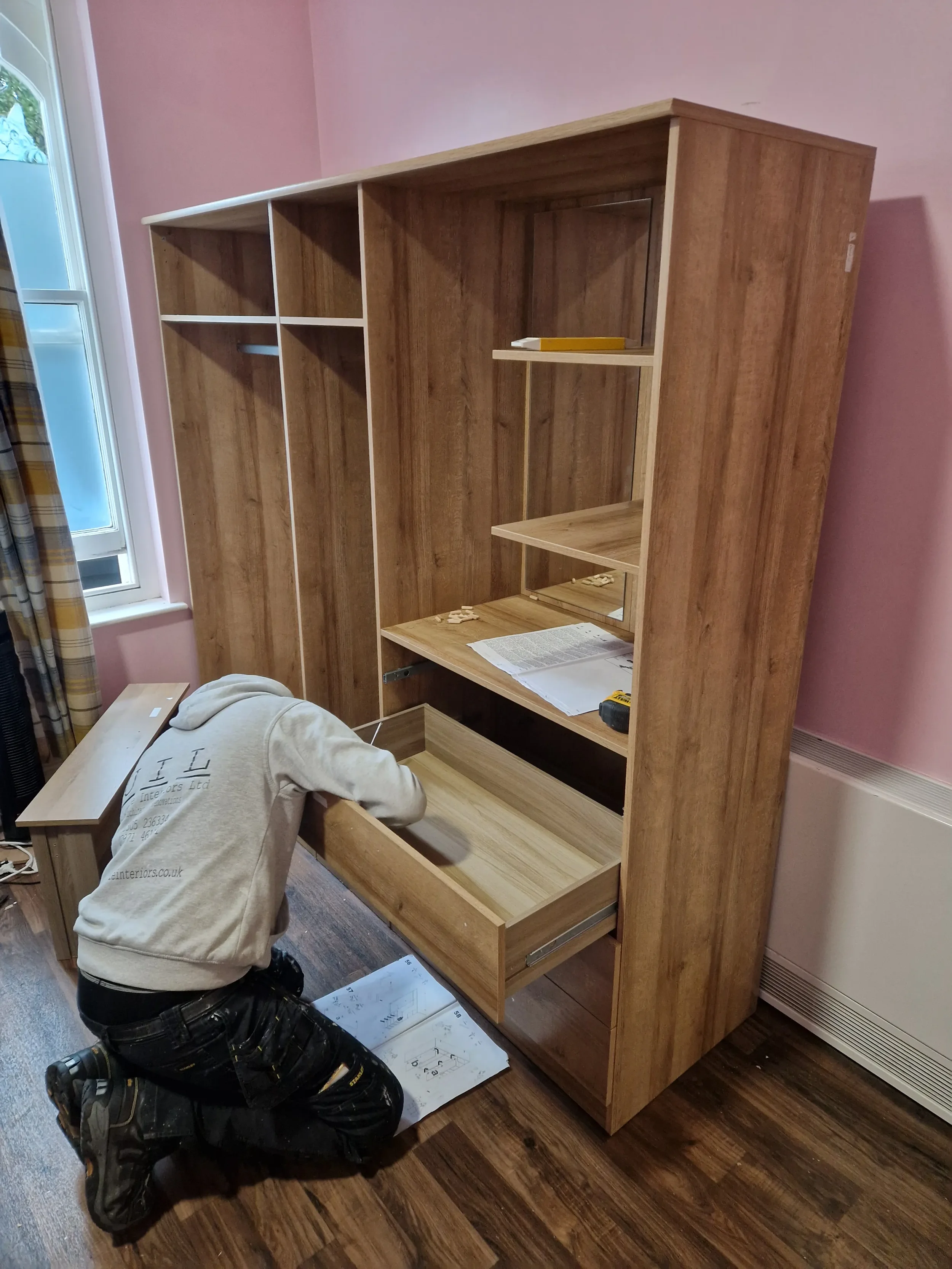
Are those bigger joinery jobs or huge flatpack wardrobe assemblies eating into your weekends?
Or do you want to build a desk or install reclaimed shelving to finally get organised?
This early clarity will guide every decision and keep budgets realistic.
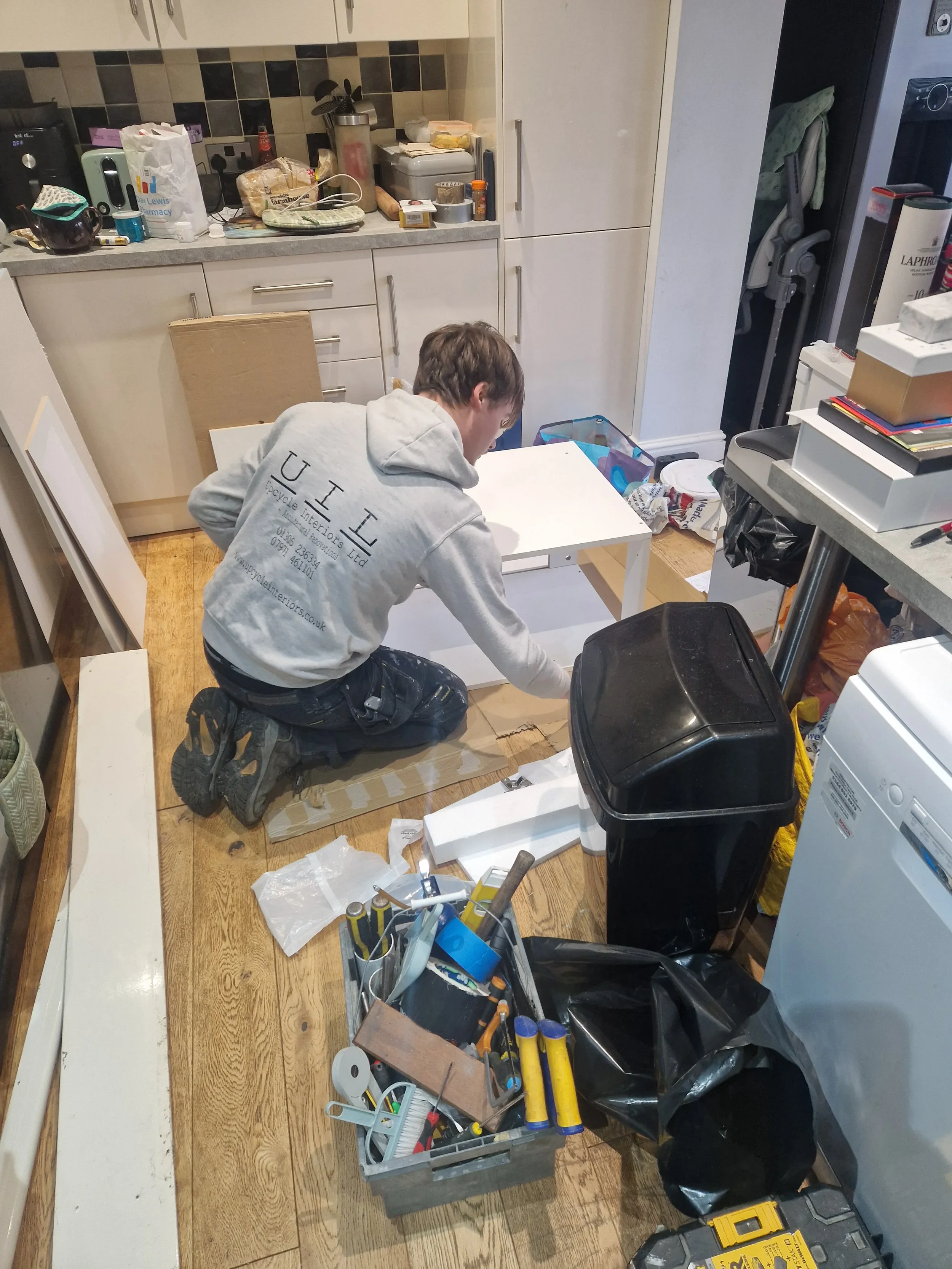
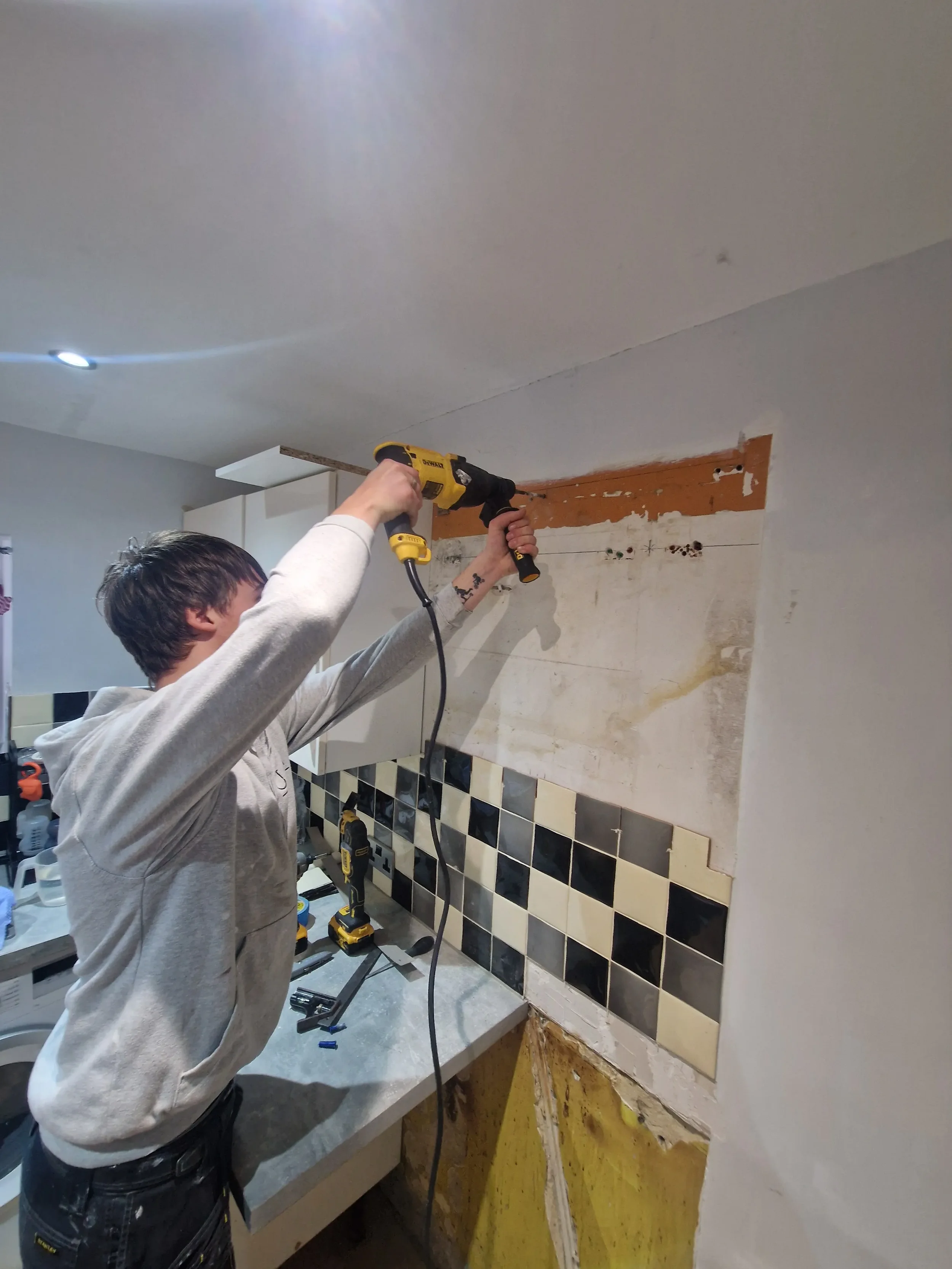
2. Understand Permissions and Planning
Interior remodelling — like changing kitchens and putting up shelves — often doesn’t need planning permission. But more substantial changes (extensions or loft conversions) might. In Dorset and nearby conservation areas, rules can be stricter. Look at similar recent projects on your street to gauge what’s likely to be approved before you spend on detailed plans.
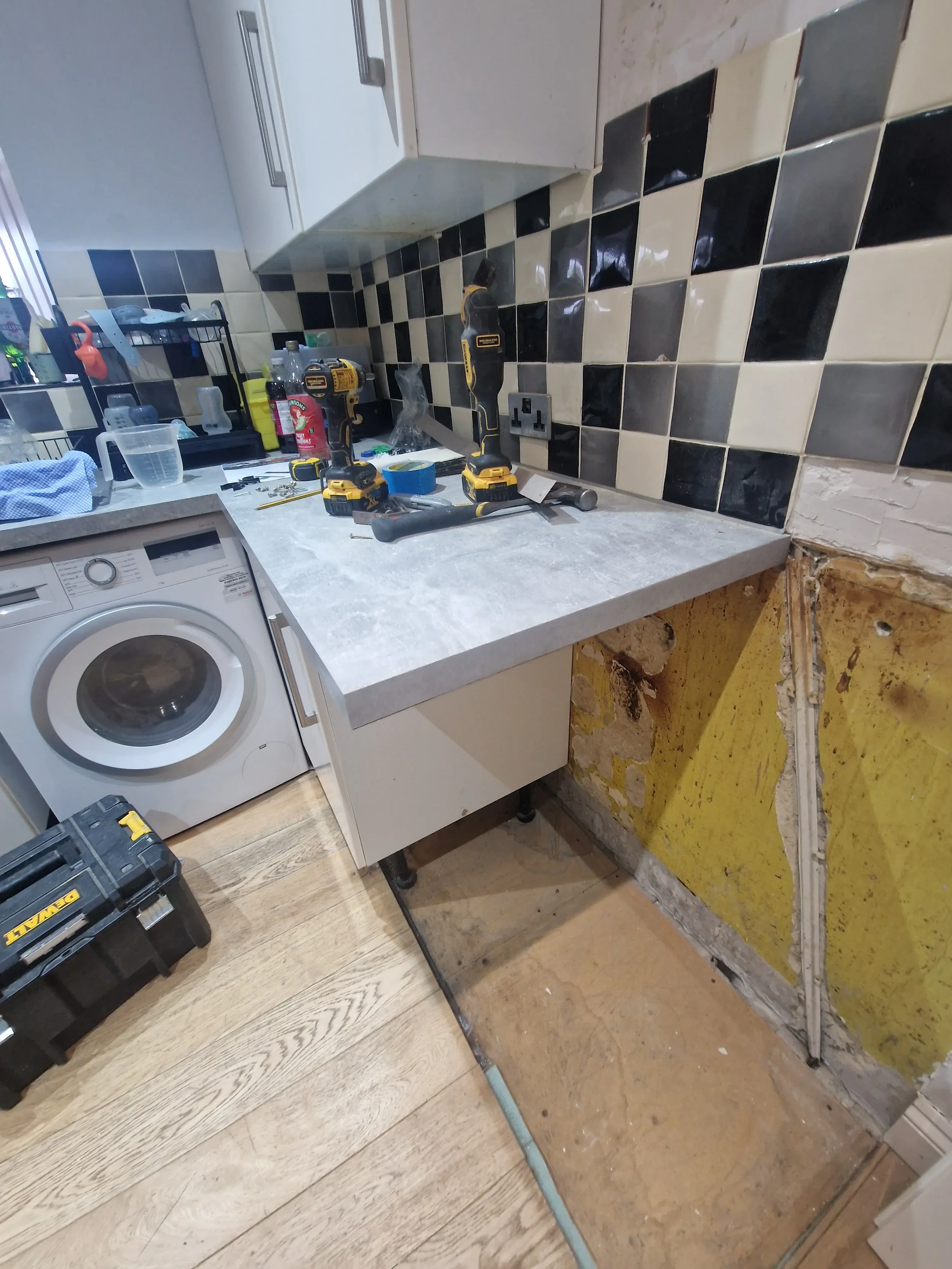
3. Realistic Budgeting
Budget realistically from the outset — underestimating costs is one of the most common reasons projects go off-track. Gather multiple quotations but don't just look at the price - check what level of service they are providing. Is it a full turn-key completed job or are parts left out for other trades? Is waste removal included, and what is the specification - is one a higher spec than the other? When this is all done, its still wise to leave a contingency (usually around 10–15%) for surprises. An accurate budget helps you decide whether jobs like bespoke carpentry or large-scale alterations are feasible.
At Upcycle Interiors we love to do the unusual projects, sometimes this means a fixed price quotation is impossible to calculate because we don't know how long a project or task will take. For these types of projects (like building a huge wardrobe that we are unfamiliar with) we find our clients are happy to work with us on an hourly rate - this official Schedule of Rates document is all put in writing and sent via email. To read more about this service click here and to learn more about the difference between estimates and quotes click here.
4. Structural Survey Before You Buy
If you’re buying a property to renovate, it’s worth investing in a thorough building survey before exchange. Older homes, especially period properties common in Dorchester and Weymouth, often hide defects like rot or damp — issues that are expensive to fix if you discover them after you’ve moved in.
5. Square Up Your Schedule of Works
Once you’ve bought the property and settled your brief:
Create a clear schedule of works. This is more than a to-do list. It’s an ordered sequence, also called a programme:
Assuming it is weathertight, strip out old materials, carpets and any demolition
Structural repairs (if needed)
First-fix trades (electrics, plumbing, insulation)
Carpentry and kitchen installation (debateable)
Second-fix finishes (doors, handrails, skirting)
Decoration and possibly kitchen installation after the room is painted
Picture hanging and finishing touches, and snagging checks
A good schedule keeps jobs flowing together sensibly — and stops you getting stuck halfway because a plumber is waiting on plastering, or a joiner can’t install your new kitchen units.
6. Know What You Can Do Yourself (and What You Shouldn’t)
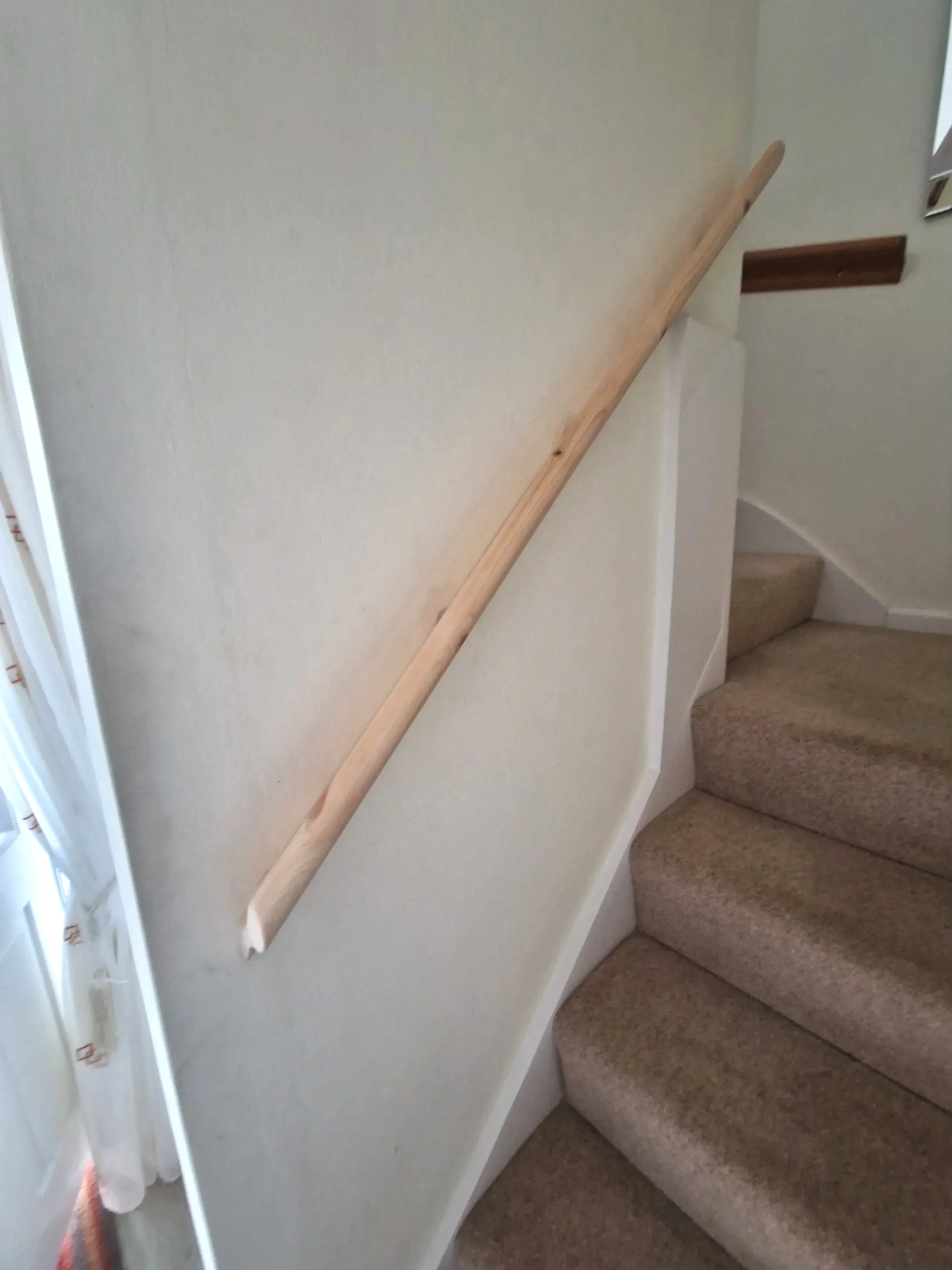
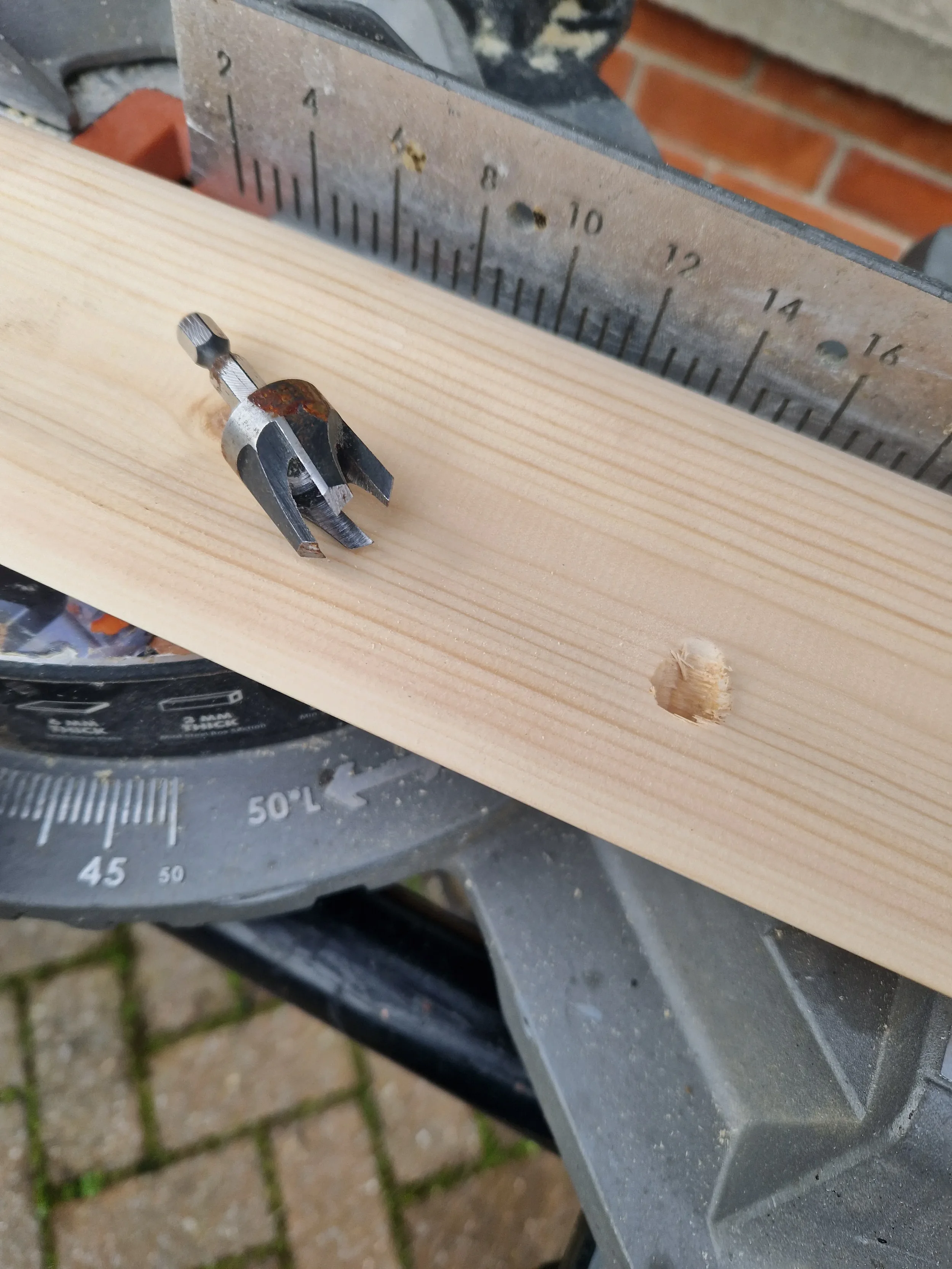
Some tasks are well within reach for enthusiastic DIYers — hanging pictures, assembling flatpack furniture or simple handyman tasks around the house. Other jobs, like structural changes, wiring, roofing or bespoke carpentry (such as installation of a 'pigs ear' handrail), are best handled by experienced professionals - so that you dont make a 'pigs ear' of it (see what we did there? LOL). Tackling the wrong task yourself can leave a literal mess — or a serious safety issue.
If you dont enjoy DIY or you just need "more hands on deck" with the peace of mind of professional quality, consider a blended approach: you focus on project management tasks you’re confident with, while qualified trades handle the physical work.
7. Tradespeople and Quality
Choosing the right team matters. A reliable carpenter will make bespoke wardrobes look effortless and perfectly fitted. A skilled handyman can make light work of odd jobs and trickier installations like fitting a heavy mirror safely. Getting trusted tradespeople minimises delays and unplanned costs.
Ask for references, check reviews, credentials and if they're DBS checked. Then make sure everyone you bring in knows your standards and schedule.
8. Snagging and Final Checks
During your project, and as you approach the end of the project, discuss with your tradesperson any questions or concerns you may have - snagging a job mid way through can be counter productive, but it can also sometimes be easier to clarify any doubts before the job is completed.
9. Get in touch
To get your project off on the right foot most of our clients using fill in our contact form here. You will receive an automated email which you can respond to with photos and we will email you back within 5 working days with your written quote or to schedule your site visit.
🌐 https://www.upcycleinteriors.co.uk/contact
📍 Based in Weymouth
🌍 Also covering Portland and Dorchester, including DT1, DT2 (part), DT3, DT4, DT5, DT6 (part). Please do get in touch here if your area is not on the list



When the forecast finally turns, we turn with it. One of the quiet advantages of a multi-skilled team at Upcycle Interiors Ltd (UIL) is that we can plan around the British weather instead of being ambushed by it — so when a hot, dry week landed, we lined up the outside work and made hay. Painting, paving, gutters, repairs at height: here’s a week in the life of a professional handyman service, entirely alfresco.
Several of these clients are previous clients — people who’ve used us before and come straight back. Across Weymouth, Portland and Dorchester, and out to Wyke Regis, Sutton Poyntz, Portesham and Martinstown, that’s how most of our diary fills.