

Your Guide To Paint Finishes And Products
A practical, professional guide to choosing the right paint for your home
Choosing the right paint isn’t just about picking a colour that makes your heart happy (though that is important). It’s about selecting a finish that can actually handle the life happening inside your home. Think muddy shoes, steamy showers, rogue fingerprints, and the occasional “how did that get on the wall?” mystery.
Every room has its own personality and purpose, and the paint you choose should match that energy. High-traffic areas need durability, bathrooms demand moisture resistance, and quieter spaces can lean into softer, more delicate finishes. On top of that, factors like VOC levels, drying time, ease of application, and long-term maintenance all play a role in getting a result that not only looks beautiful but lasts.
Whether you're refreshing a tired hallway in Dorchester or carefully restoring a character-filled home in Weymouth, understanding your paint options helps you make confident, cost-effective decisions that stand the test of time.
This guide will walk you through everything you need to know to get it right the first time.
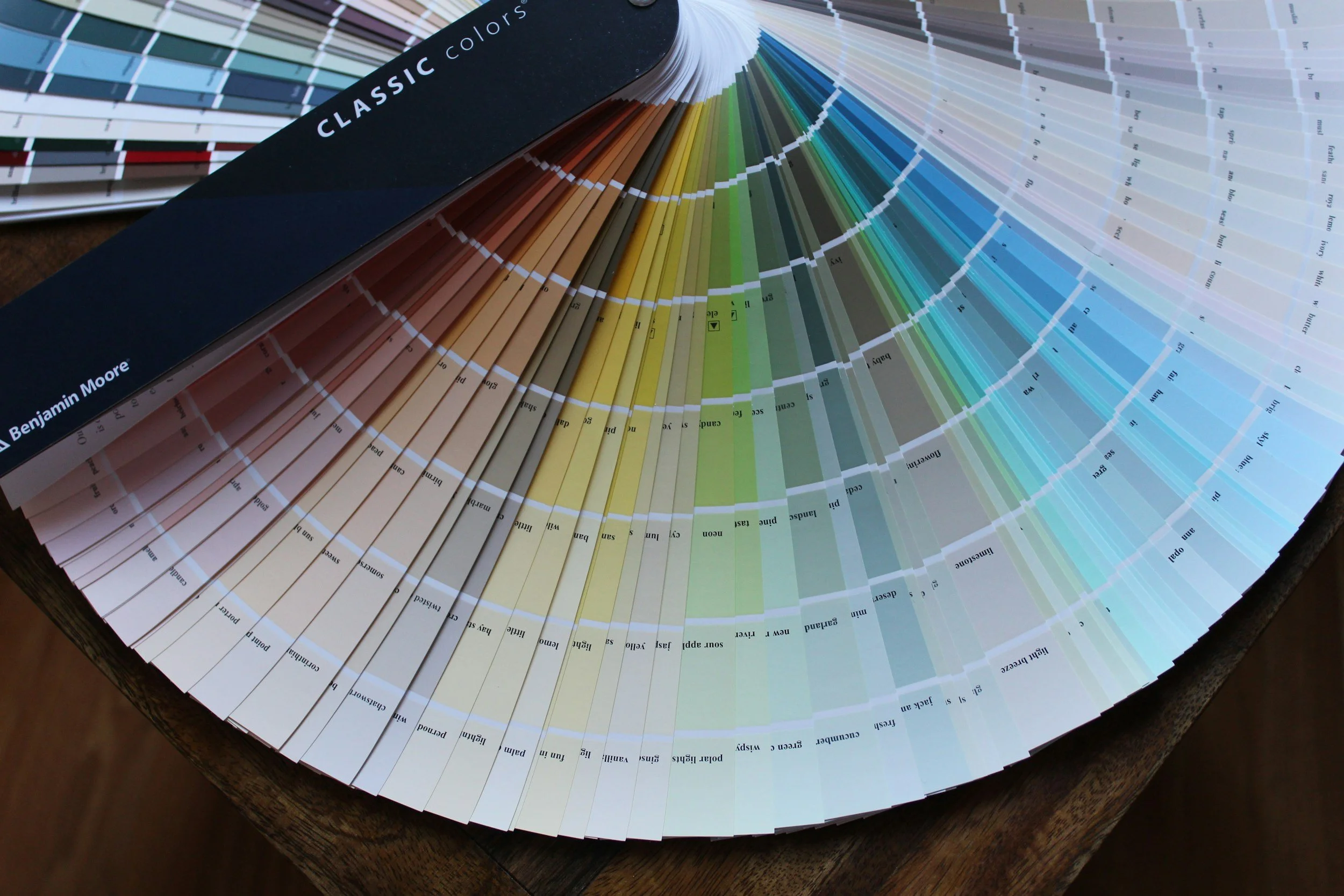
1. Start With How the Room Is Used
Before you even look at colours, think about what the room has to deal with on a daily basis.
High traffic (hallways, stairs, kids’ rooms): go for scrubbable, durable finishes
Wet areas (bathrooms, kitchens, utility): moisture-resistant, anti-mould paints
Low traffic (bedrooms, snug rooms): softer matt finishes are perfect
Woodwork & trim: tougher finishes to resist knocks and scuffs
Paint isn’t just decoration, it’s protection. Choose it based on performance first, aesthetics second.
2. How Light & Room Direction Change Everything
Light dramatically affects how paint looks once it’s on the wall.
North-facing rooms: cooler, flatter light → colours can look darker or duller
→ Use warmer tones or slightly higher sheen finishes to bounce light aroundSouth-facing rooms: bright, warm light → colours appear richer and more vibrant
→ You can get away with cooler tones and flatter finishesEast/West-facing rooms: shifting light throughout the day
→ Always test samples on multiple walls
Top tip:
Higher sheen = reflects light (but shows imperfections)
Lower sheen = absorbs light (softer, more forgiving finish)
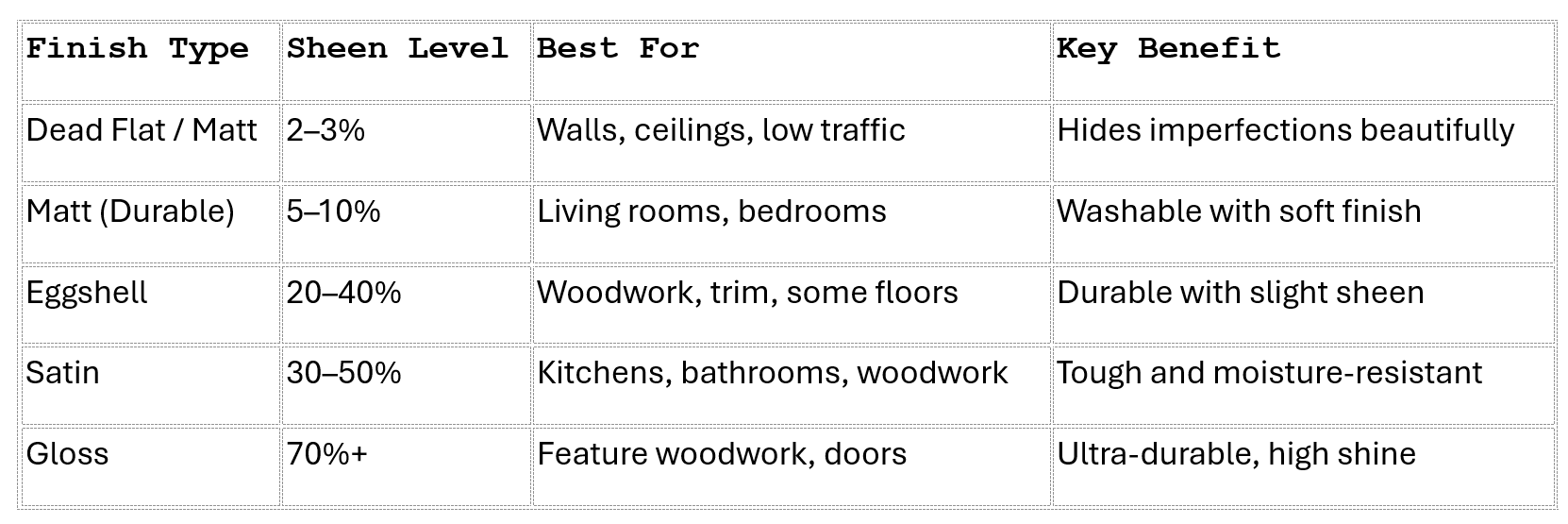
3. Understanding Paint Finishes (Quick Cheat Sheet)
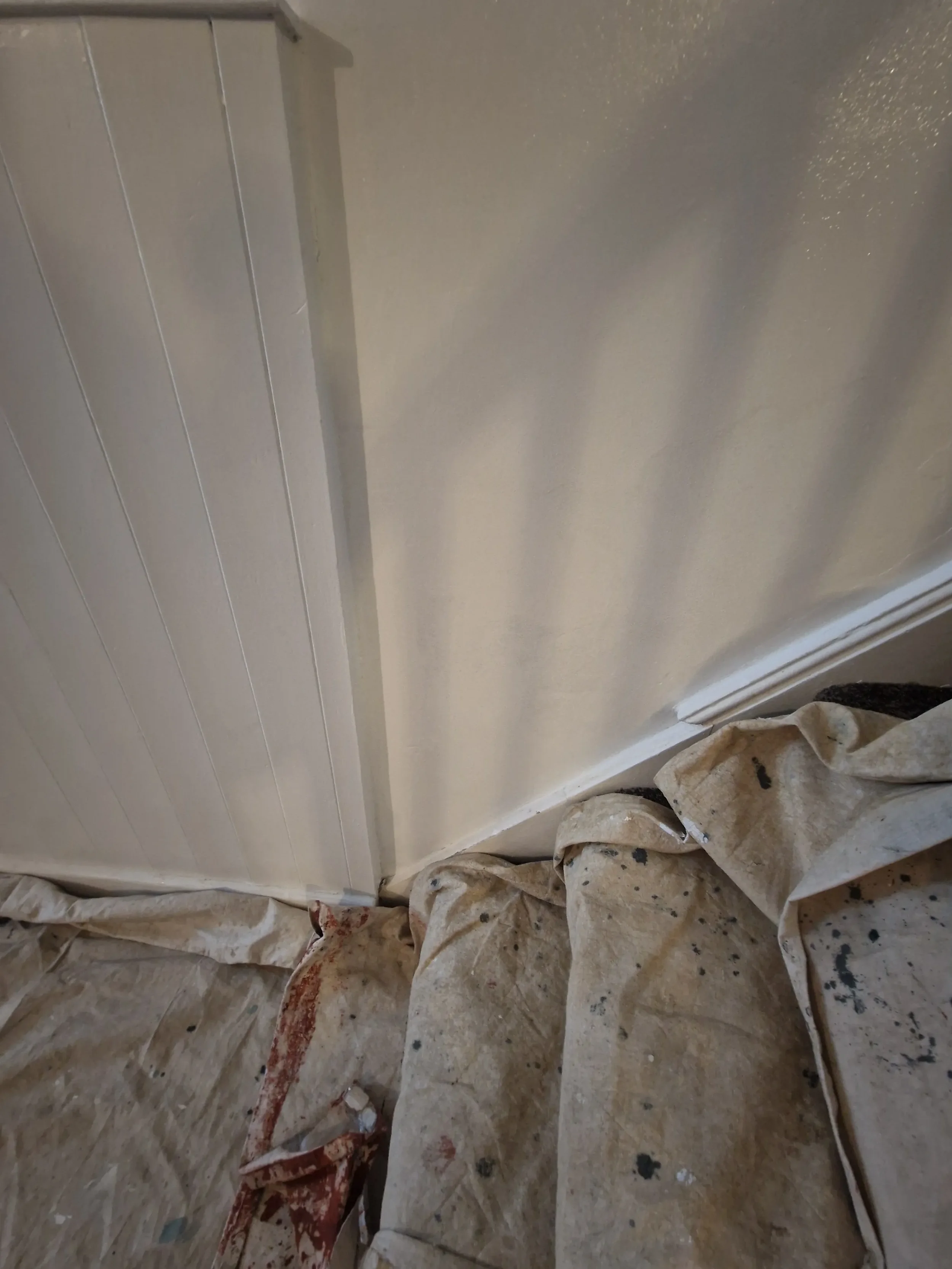
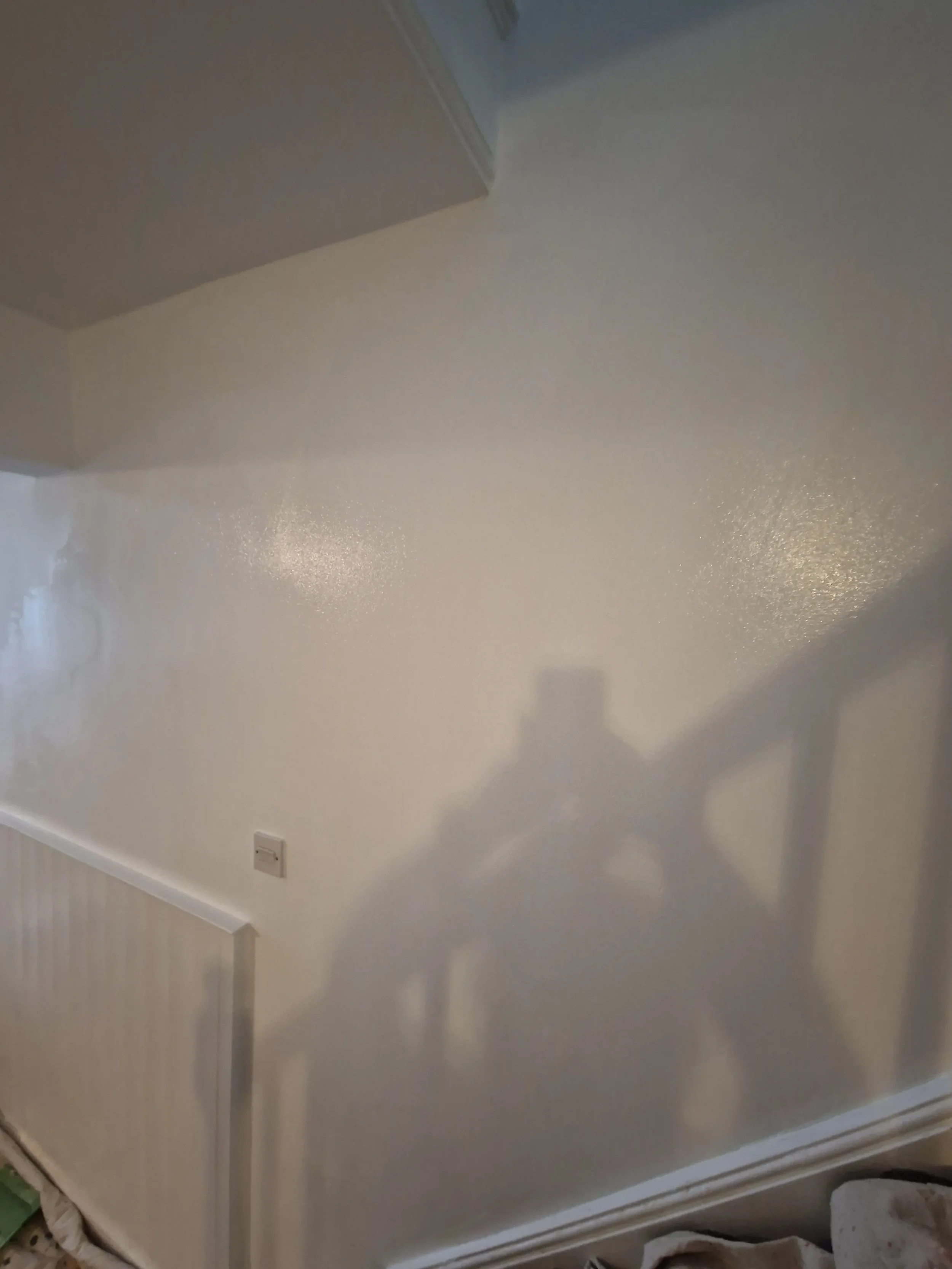
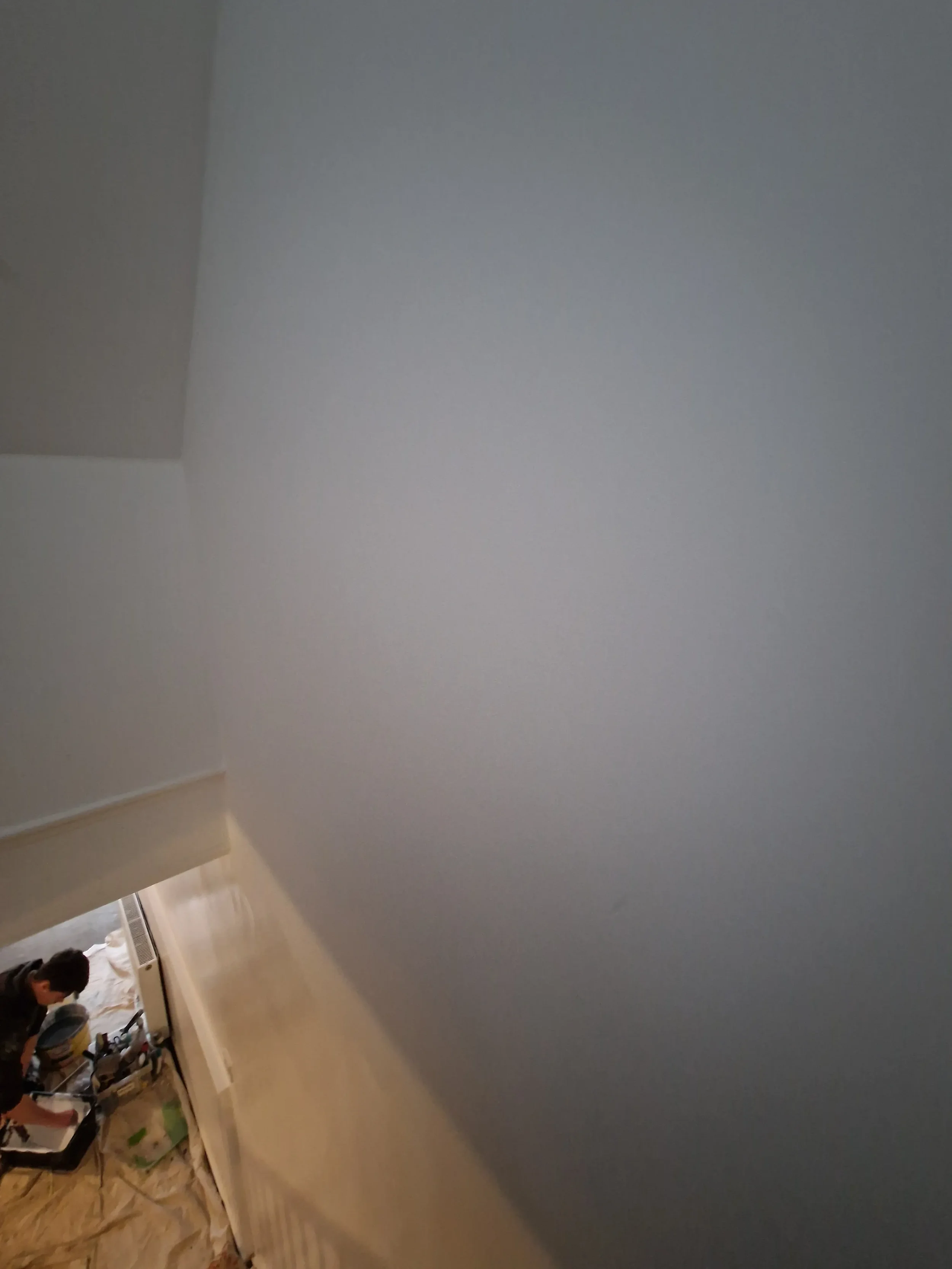
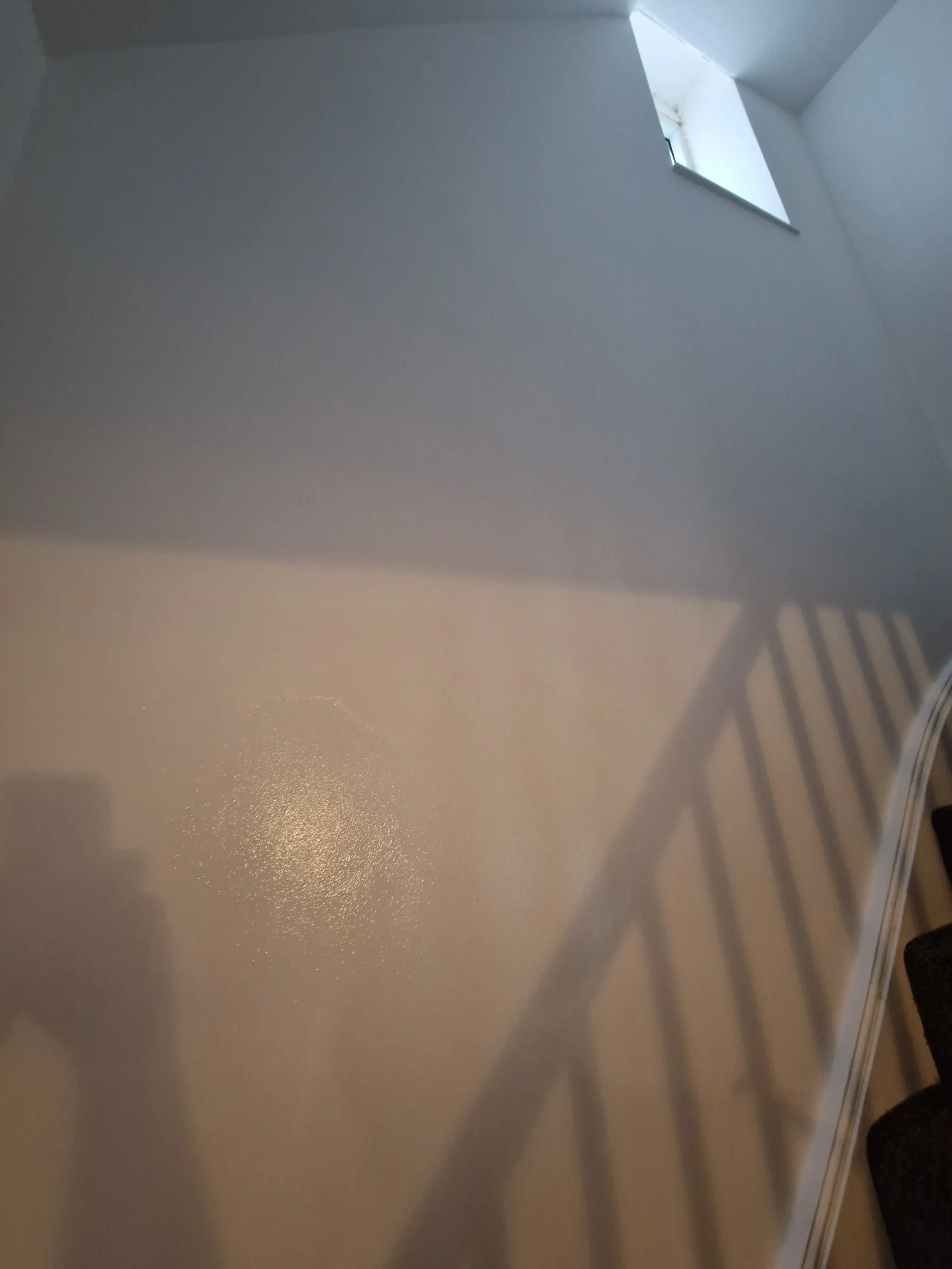
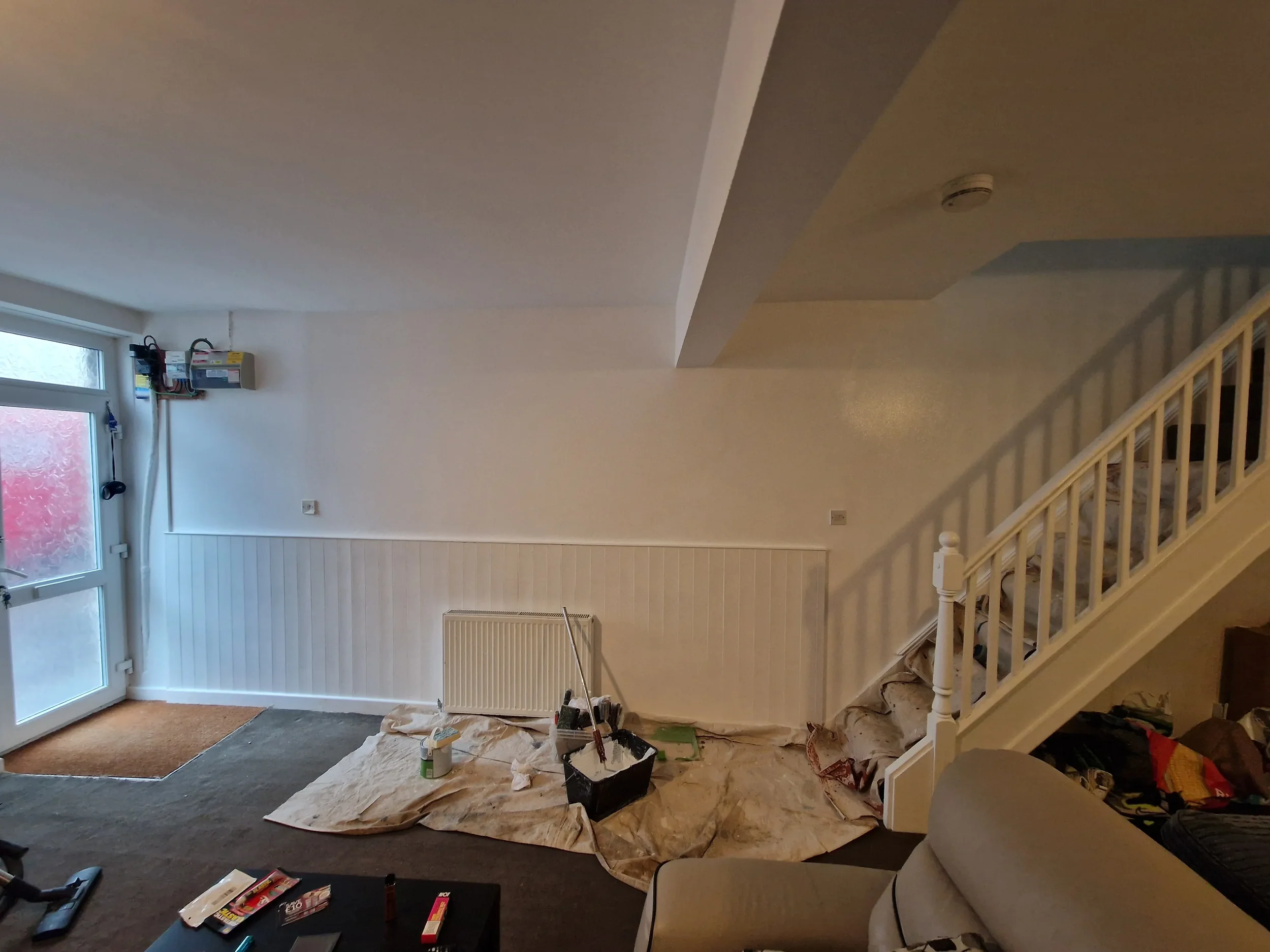
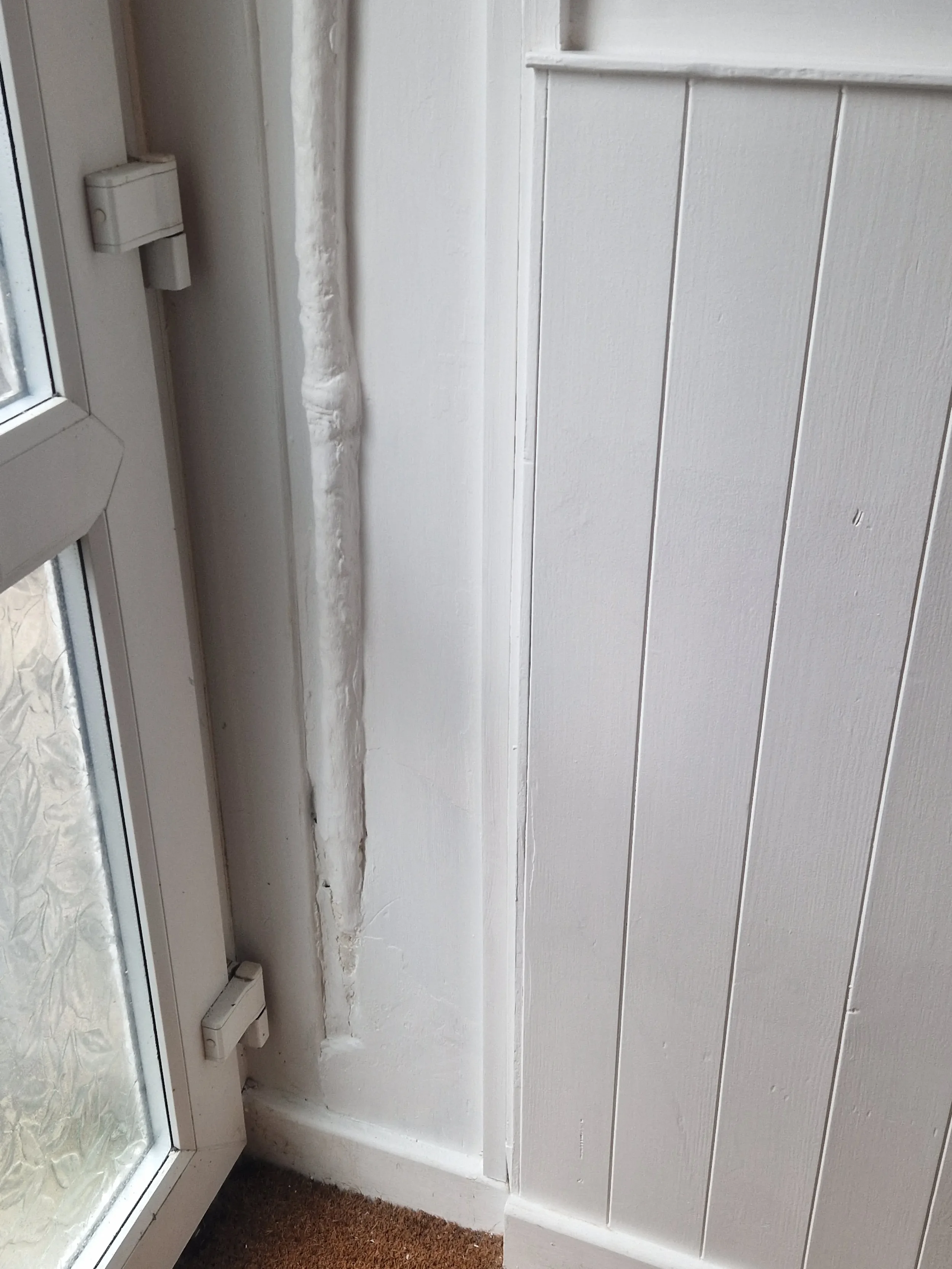
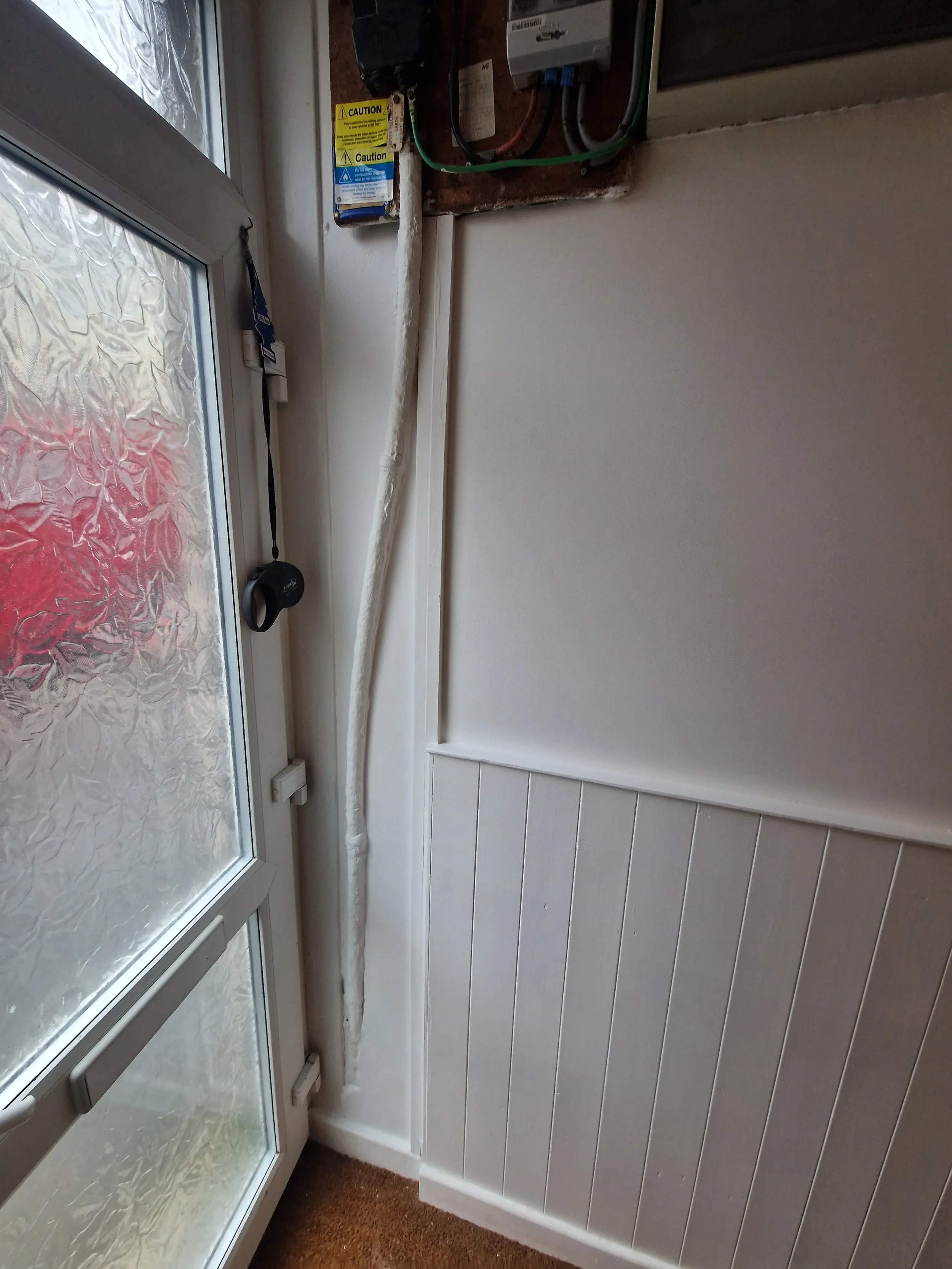
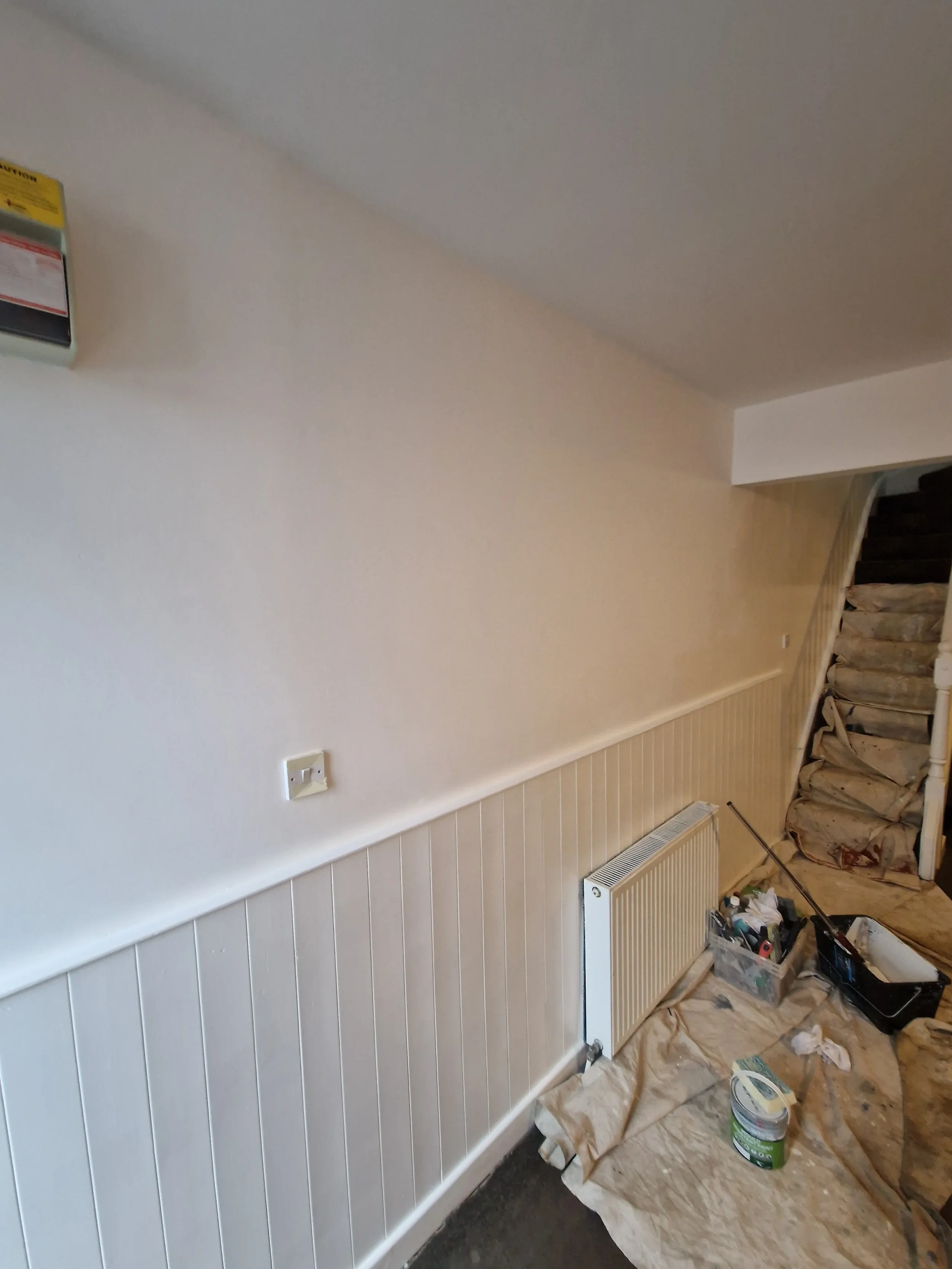
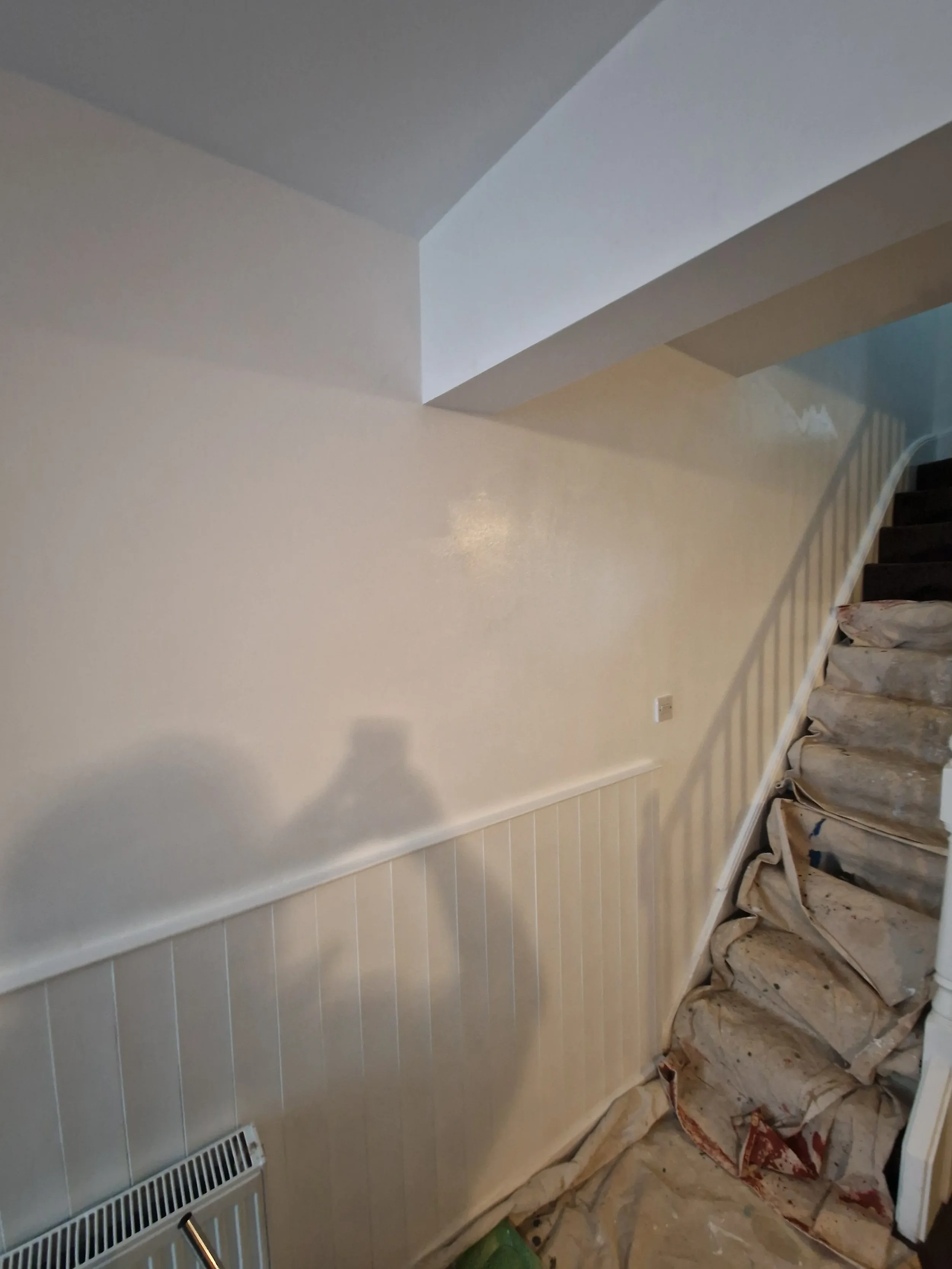
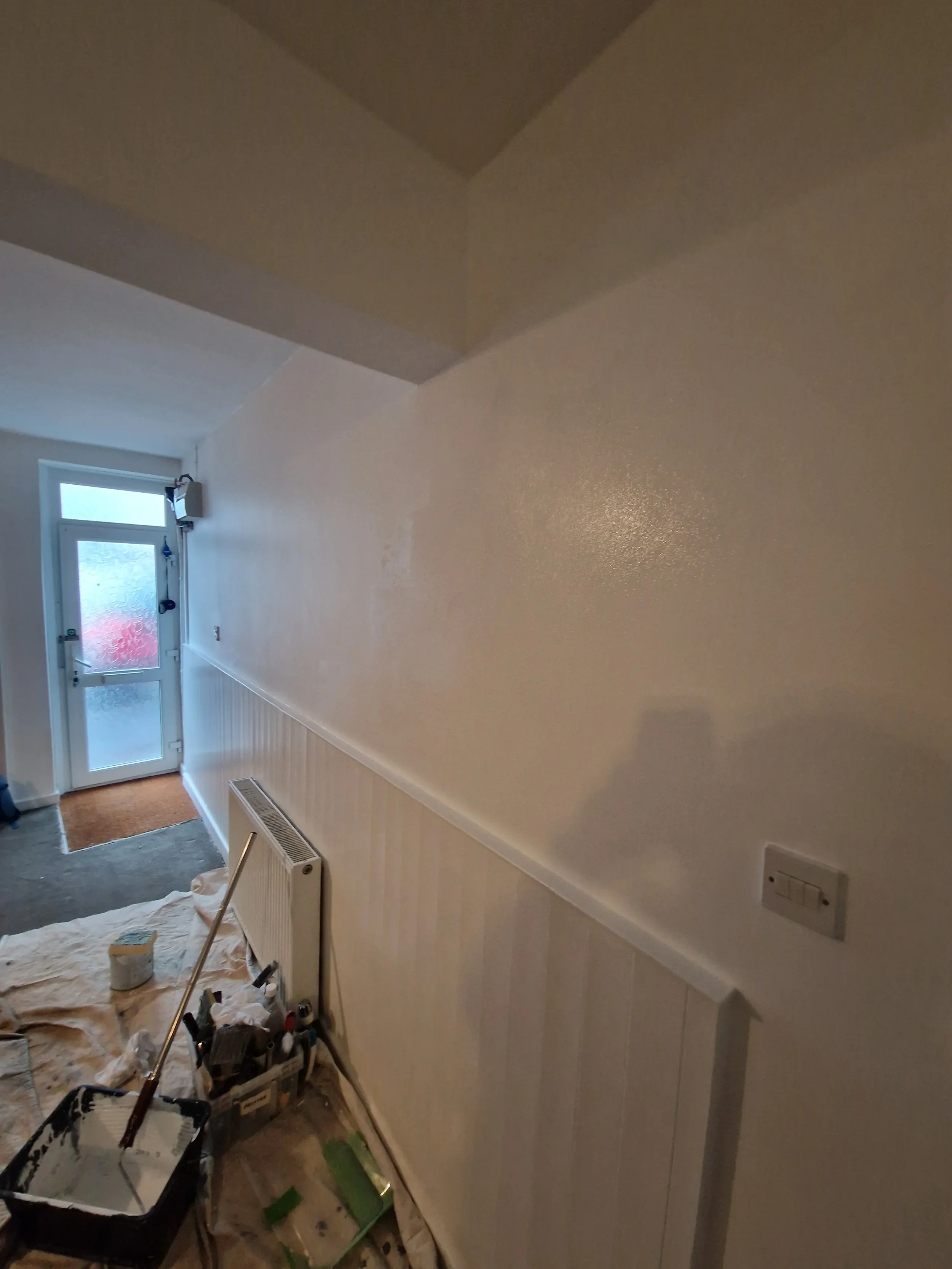
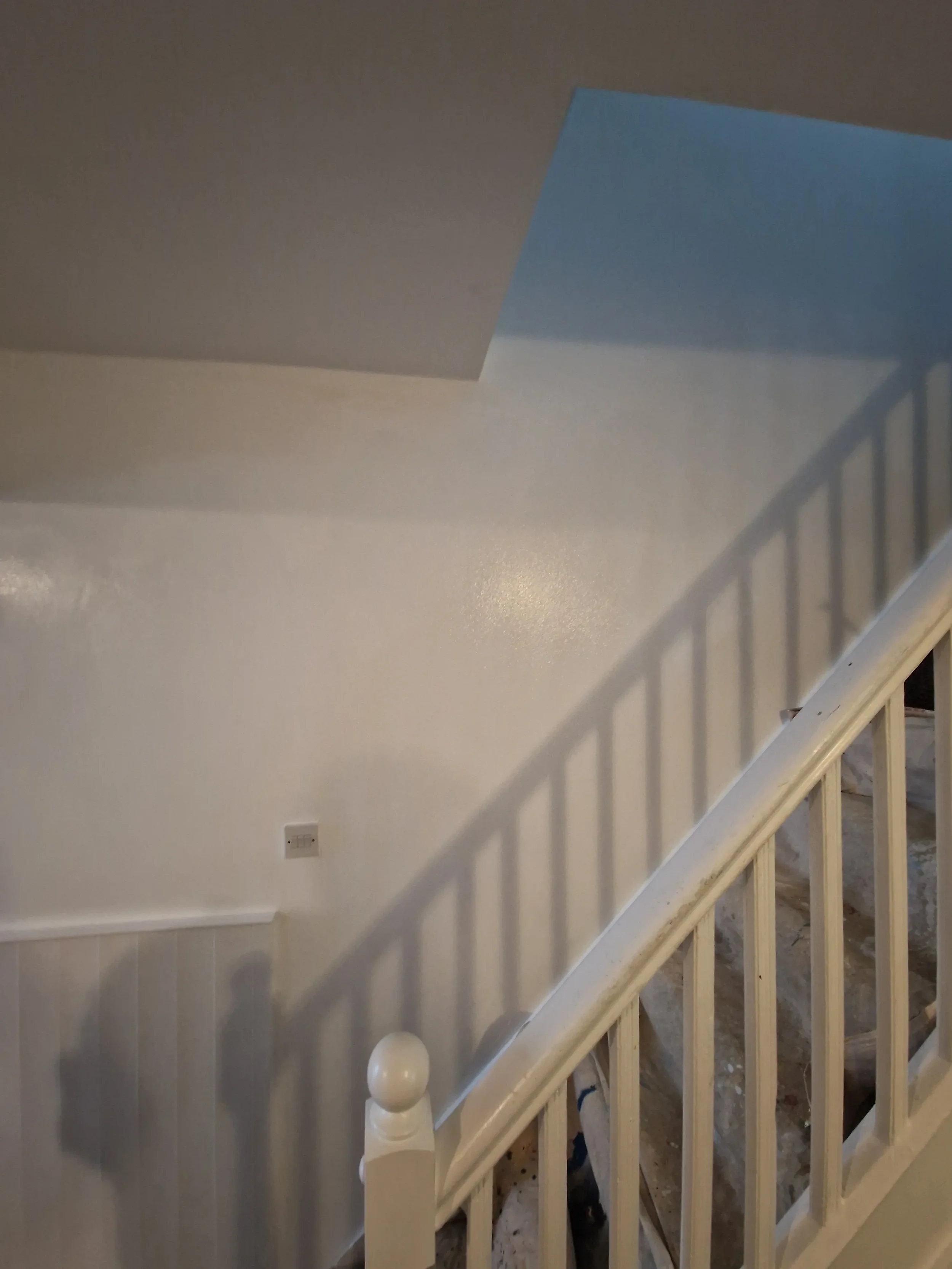

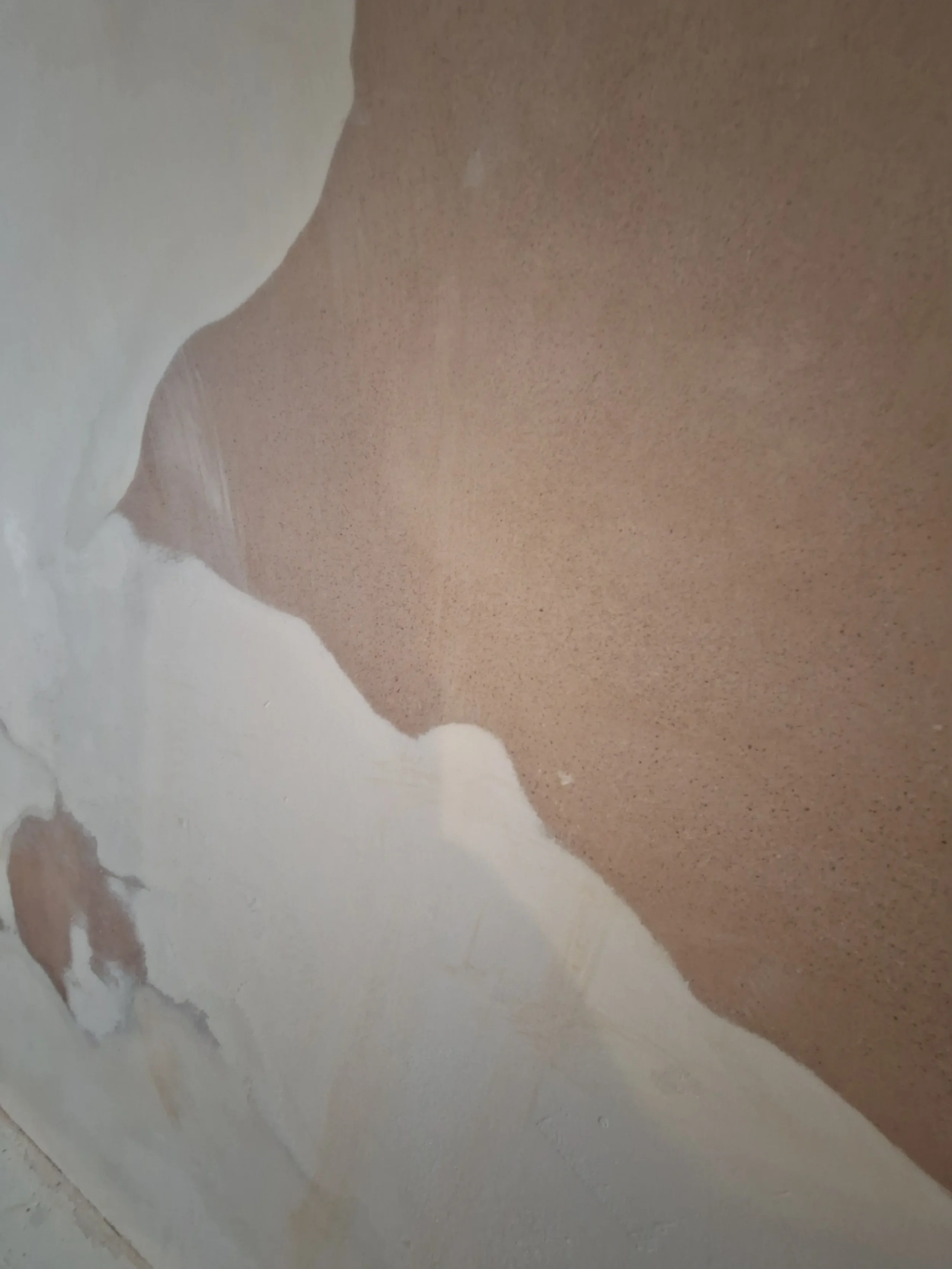
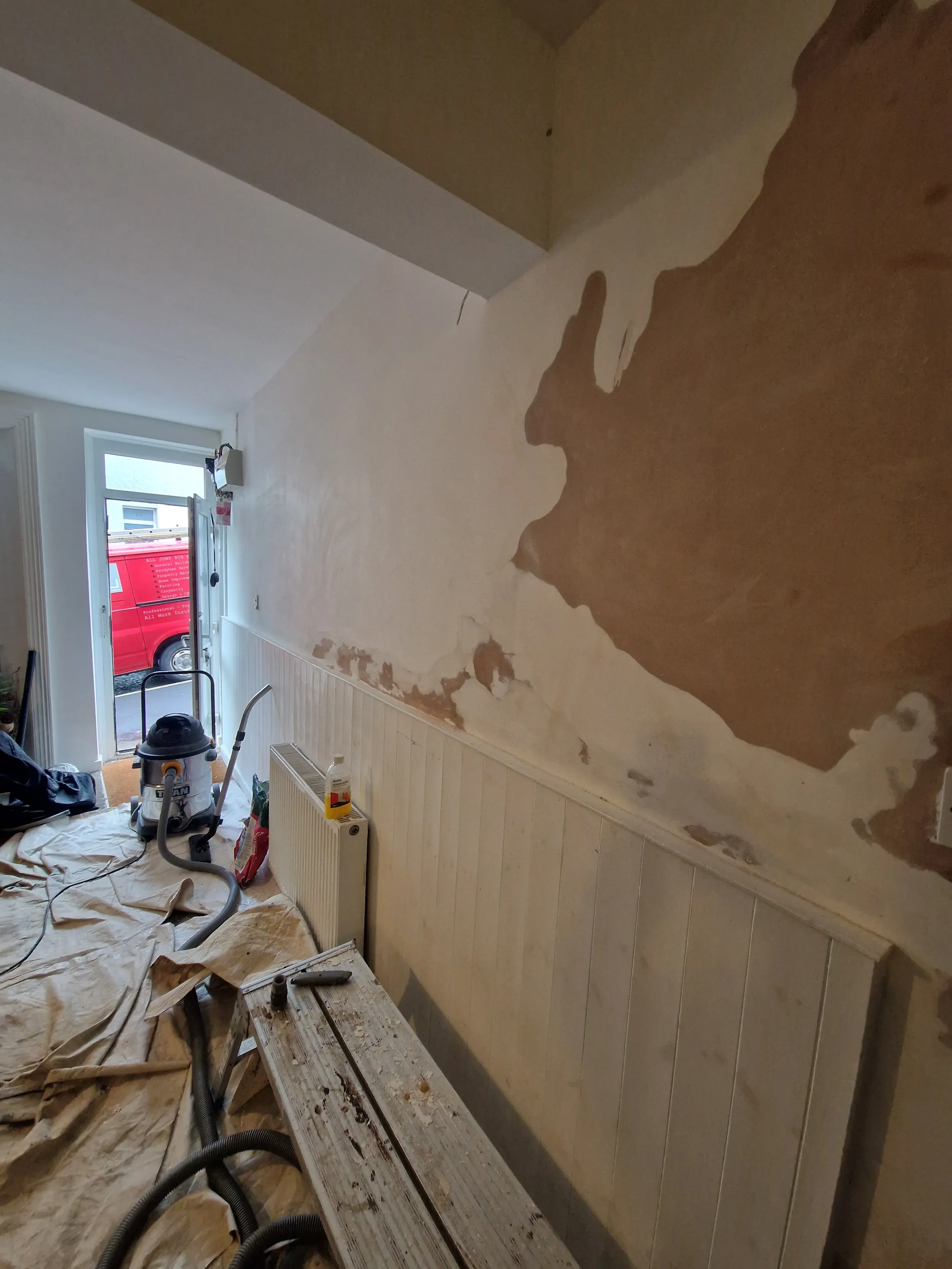
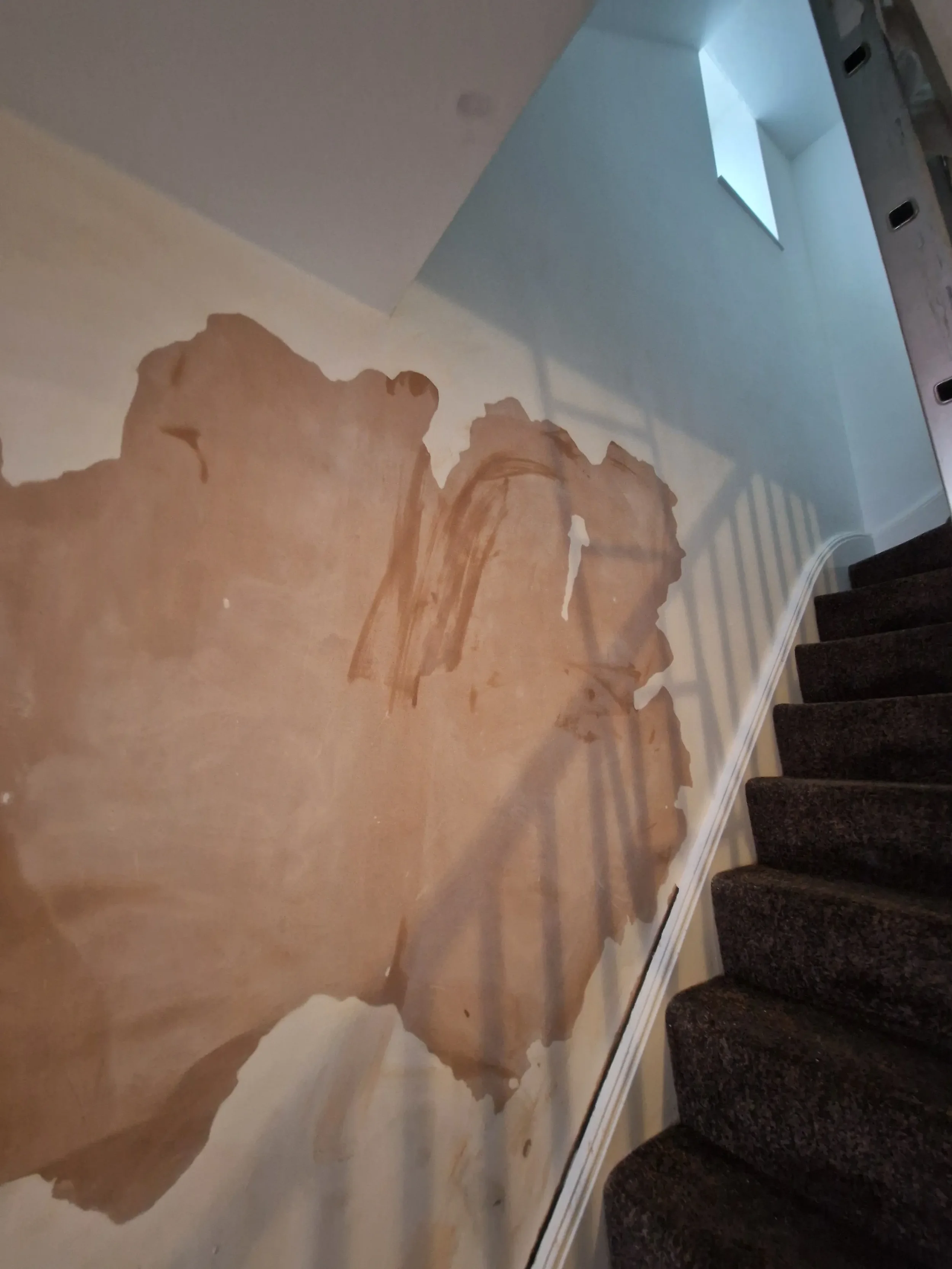
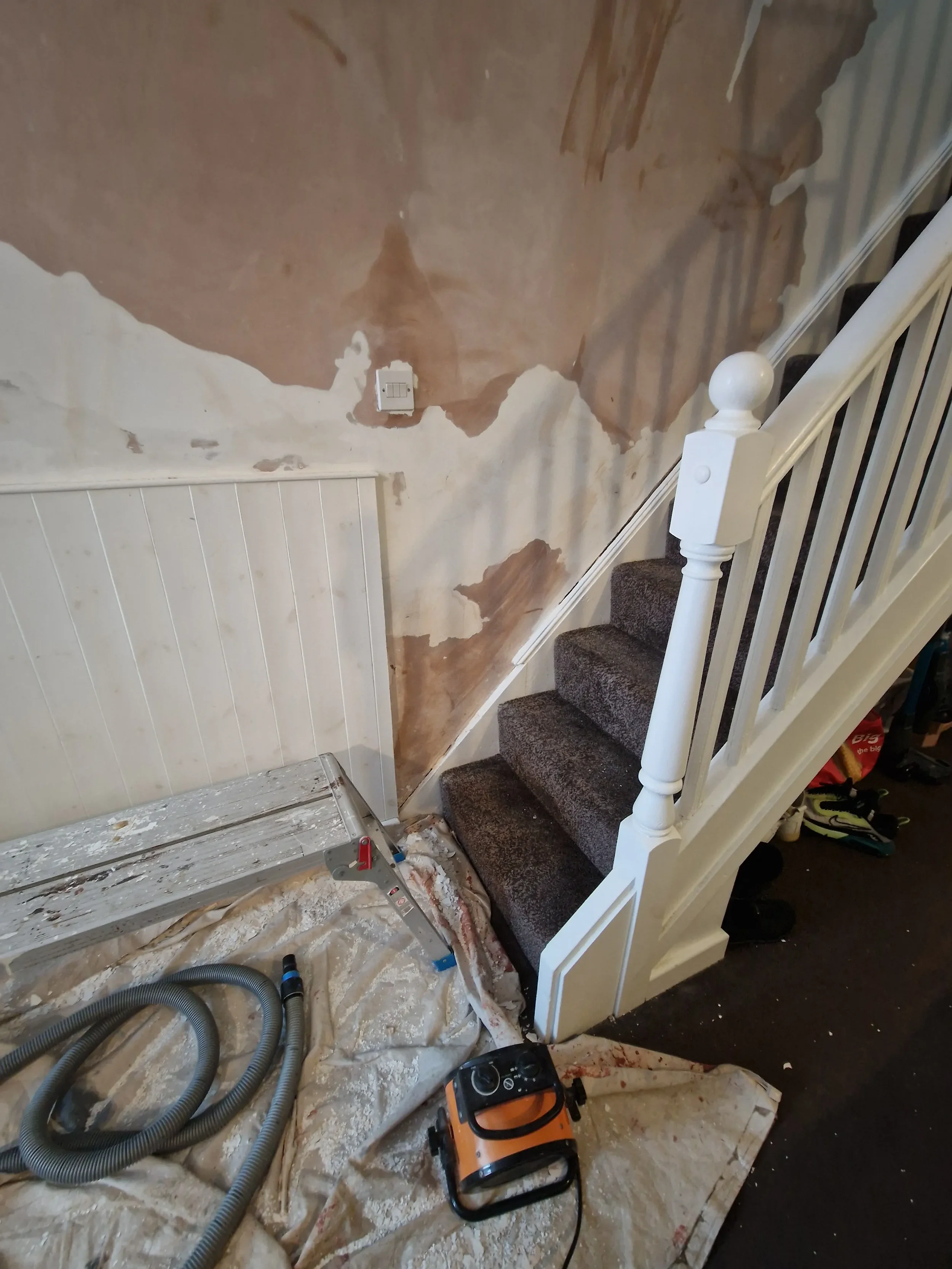
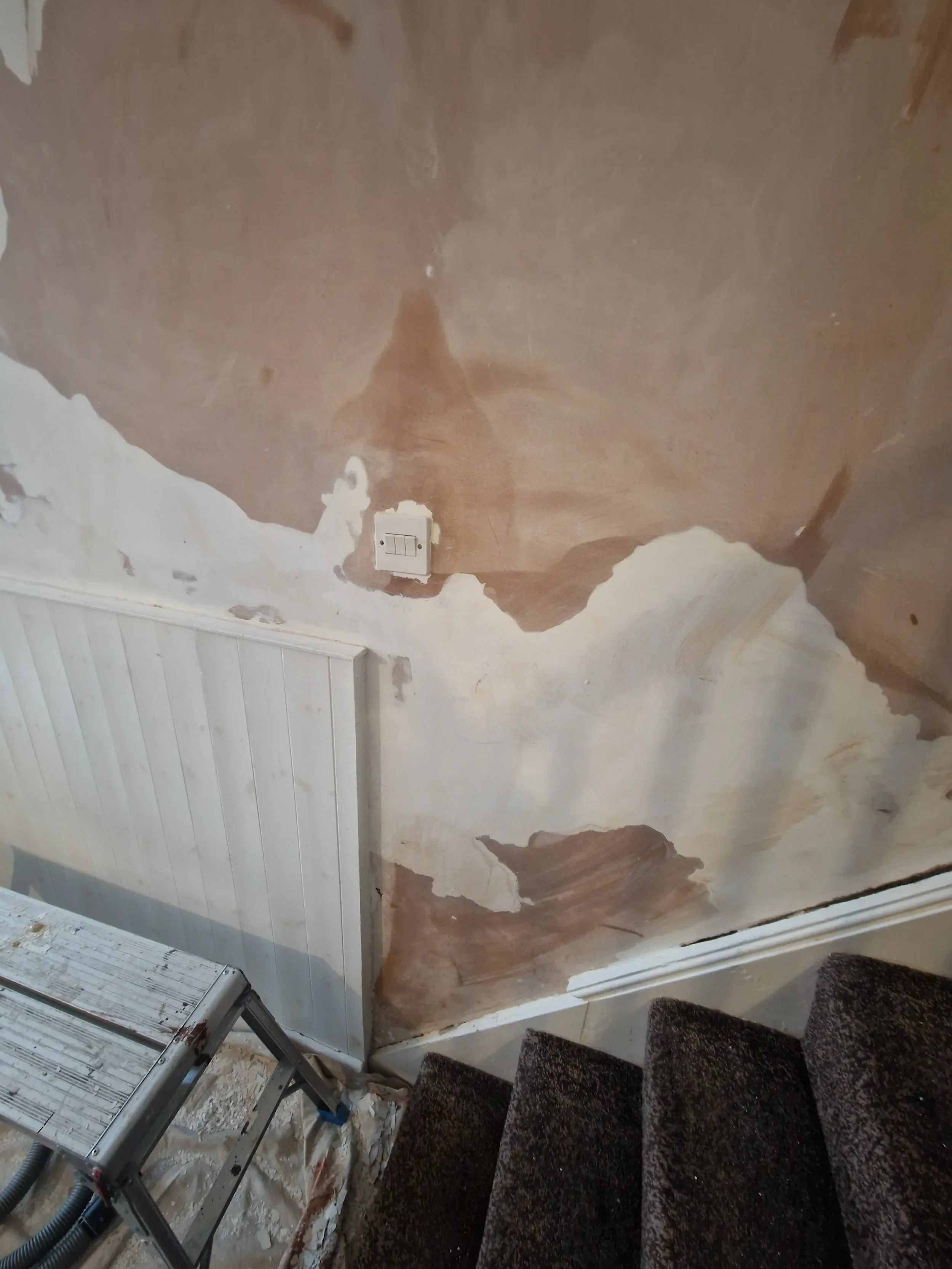
4.Dealing with Knots & Staining (Don’t Skip This)
If you’re painting natural wood, especially pine, knots can bleed through your paint like uninvited guests crashing a party.
These knots contain resins that push through standard paint over time, leaving yellow or brown stains.
The fix? A proper primer like Zinsser BIN.
Blocks stains and tannins
Seals knots permanently
Improves adhesion for topcoats
Applying it before your finish coat creates a barrier that keeps your paint looking clean , even and long-lasting. Skip this step and you’ll likely be repainting sooner than you’d like.
5.Oil-Based vs Water-Based Paint (What to Choose?)
This is a common question, and the answer has shifted in recent years.
Water-based paints (most modern choice):
Faster drying
Lower odour
Easier cleanup
Lower VOCs (better for indoor air quality)
Flexible and less prone to yellowing
Oil-based paints (traditional option):
Longer drying time
Higher durability in some cases
Smoother finish on certain surfaces
Stronger odour and higher VOCs
For most residential projects today, high-quality water-based paints offer the best balance of performance and practicality.
6.How to Test Paint Colours Properly
Testing paint isn’t just a quick dab on the wall and hoping for the best.
For accurate results:
Paint large sample areas or use sample boards
Test on multiple walls in the same room
View at different times of day
Compare with artificial lighting in the evening
Colours can shift more than you expect, especially in rooms with changing natural light.
7. Types of Paint and When to use each
Flat Eggshell – Farrow & Ball
A modern, hard-wearing finish with a subtle 20% sheen that delivers both durability and understated elegance.
Class 1 scrub rating
Scuff-proof, stain-resistant and fully scrubbable
Ideal for skirting boards, cabinetry, bannisters and floors
Water-based and low in VOCs, it dries quickly and cures to an exceptionally tough finish. Flat Eggshell is the flattest eggshell Farrow & Ball have produced, combining a soft aesthetic with serious durability.
Modern Eggshell – Farrow & Ball
With a mid-sheen finish (40%), Modern Eggshell is a robust, versatile option for interior woodwork and floors.
Suitable for wood, metal and concrete
Highly durable with a sleek, contemporary finish
It offers the same dependable durability as Flat Eggshell but with a higher sheen level, making it ideal where a slightly more polished look is desired.
Satin – Zinsser Perma-White
This is our preferred finish at UIL and a true go-to product thanks to its reliability and performance.
Class 1 Wet Scrub Rating (ISO 11998)
Durable and hard-wearing
Touch dry in 30 minutes
Trace VOCs (<0.1%)
Contains a biocide to protect against fungal degradation
Ideal for skirting boards and wet areas such as bathrooms, kitchens and utility rooms
With excellent adhesion and built-in mould resistance, this is a practical, long-lasting choice for demanding environments.
Estate Emulsion – Farrow & Ball
The original water-based emulsion, offering a classic chalky matt finish with a delicate 2% sheen.
Best suited for low-traffic areas and period properties, it provides beautiful depth of colour but requires a gentler touch when it comes to cleaning and maintenance.
Dead Flat – Farrow & Ball
An ultra-matt finish with just 2% sheen, designed for a seamless, contemporary look across multiple surfaces.
Washable and wipeable
Available in all Farrow & Ball colours
Suitable for walls, woodwork and metal
Perfect for colour drenching, where ceilings, walls, woodwork and built-in features are all painted in the same shade for a cohesive, high-end finish.
Modern Emulsion – Farrow & Ball
Designed for busy homes, this durable emulsion has a low 7% sheen and performs exceptionally well in high-use areas.
Class A scrub rating
Washable and moisture-resistant
Contains anti-mould properties
Ideal for kitchens, bathrooms and hallways where both style and resilience are needed.
Vinyl Matt Emulsion – Crown
A reliable, everyday favourite for bedrooms and living areas, offering a smooth, non-reflective finish.
High opacity for excellent coverage
Rich, flat matt finish
Suitable for walls and ceilings
Low VOC and low odour
Fast drying
A great all-rounder that delivers consistent results and a clean, modern look.
Clean Extreme Stain Resistant Matt – Crown
Built for busy homes and high-traffic areas, this paint combines a true matt finish with exceptional durability.
Class 1 scrub rating (ISO 11998 independently tested)
Up to 10,000 scrubs durability
Excellent stain resistance
Low VOC and low odour
Perfect for hallways, staircases and family spaces where walls need to withstand daily wear and tear — including the classic “kicked-off shoes” marks.
8. Prep: The Bit That Makes or Breaks the Finish
Good prep is the difference between a finish that lasts years and one that starts failing in months.
Before painting:
Clean surfaces thoroughly (especially grease in kitchens)
Fill cracks and imperfections
Sand for a smooth, even base
Remove dust before painting
Use the correct primer for the surface
Rushing prep is the fastest way to waste good paint. Take the time here and everything else becomes easier.
9. VOCs, Odour & Eco Considerations
Modern paints are far more environmentally friendly than they used to be.
· Low VOC / trace VOC paints: better for indoor air quality
Water-based paints: faster drying, easier cleanup, safer and quicker to use
Low odour: ideal for decorating lived-in homes, family homes and quicker reoccupation
This is especially important for families, pets, and anyone sensitive to strong smells.
10. How Long Should Paint Last?
A good paint job isn’t something you should be redoing every couple of years.
Walls (low traffic): 5–10 years
High traffic areas: 3–5 years
Woodwork: 5–8 years depending on wear
Bathrooms/kitchens: varies based on moisture and ventilation
Using higher-quality products and proper prep will always extend lifespan.
11. Cost vs Value (Why Cheap Paint Isn’t Always Cheaper)
Budget paints might seem appealing upfront, but they often:
Require more coats
Have lower durability
Fade or mark more easily
Higher-quality paints cover better, last longer, and reduce maintenance over time. In most cases, they’re the more cost-effective choice overall.
12. Application Tips That Make You Look Like a Pro
A few small tweaks = big difference in finish:
Use the right roller nap for your surface
Don’t overload your brush or roller
Work in consistent sections
Maintain a “wet edge” to avoid patchiness
Always follow recommended drying times
Small details make a big difference to the final result.
13. Common Mistakes to Avoid
Choosing paint based on colour alone
Skipping primer (especially on wood or stained surfaces)
Using matt paint finishes in high-traffic areas
Not testing colours in different lighting
Rushing between coats
Need Help Choosing the Right Finish?
At UIL, we don’t just paint — we make sure every product and finish is chosen to suit your space, your lifestyle, and how your home is actually used.
✨ Ready to bring your project to life? At Upcycle Interiors, we combine professionalism, trustworthiness, and reliability to deliver results you can count on. Whether it’s a small repair or a full renovation, we’ll treat your home with the care and respect it deserves.
📞 Call us on 01305 584459
📧 Email us at sales@upcycleinteriors.co.uk
💻 Or send us a message through our contact form
Let’s turn your vision into reality - without the stress.
Want to read more? Check out our featured posts:


You’ve had three quotes. They’re all different – in this guide we will explain why.
One company has a smart website, a detailed quote with written contract, and a team of DBS-checked staff. The second is a bloke who answered after you called him 3 times and sounded like he was half asleep – his number was passed to you by a friend of a friend. The third company sound half decent, you found their Facebook page, but they don’t have a website, you spoke to them on Thursday they can start Monday. All 3 are offering to do the same job.
This guide exists because those gaps needs explaining. Not defending - explaining. The financial figures you will read in this article are real, they are ours (individual to us), and by the time you've read them you'll understand exactly where your money goes when you hire a legitimate limited company - and exactly what you're not getting when you don't.